Understanding Hysterectomy Long Term Risks: A Comprehensive Guide for Women
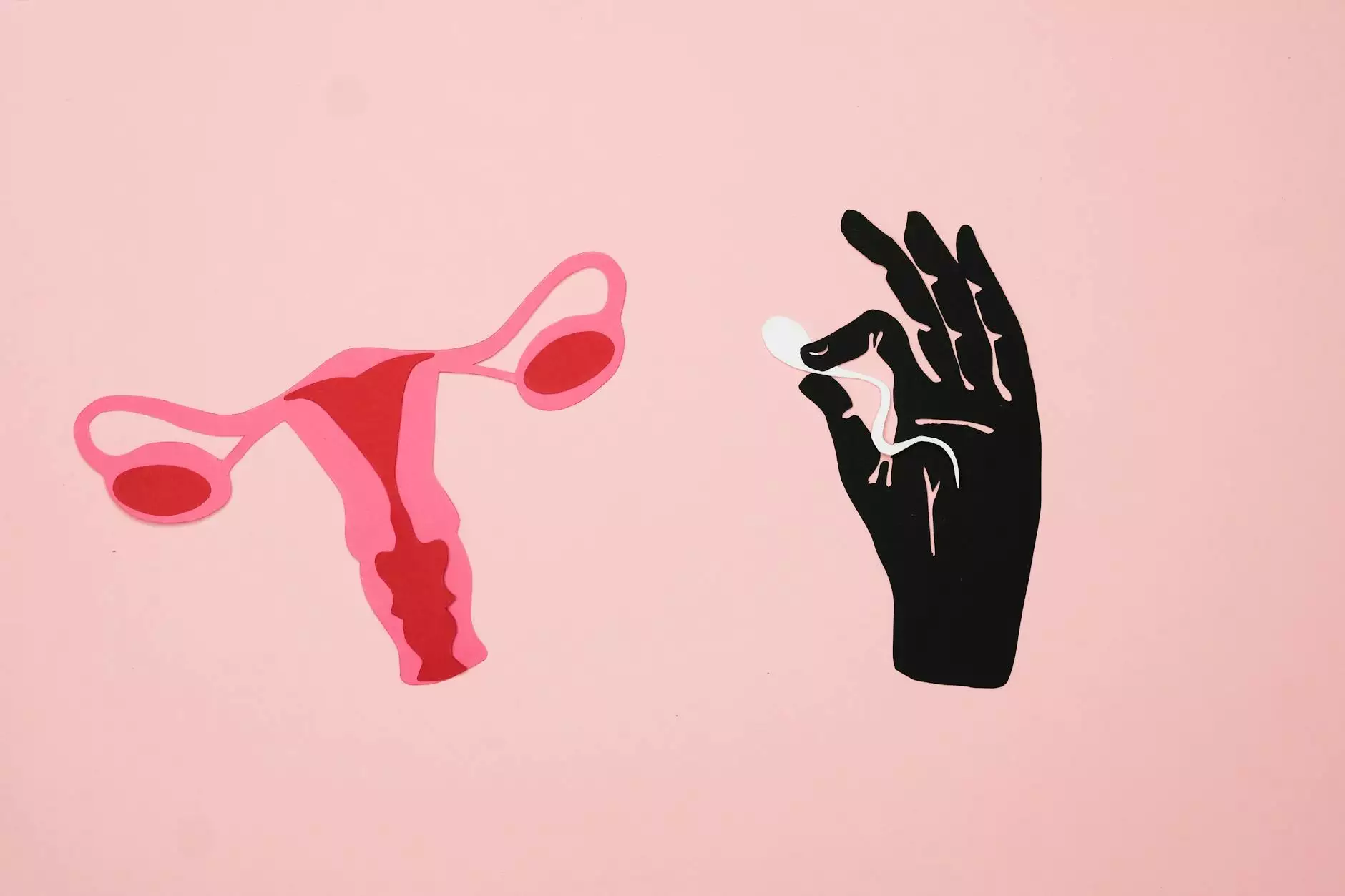
A hysterectomy, a surgical procedure involving the removal of the uterus, is among the most common gynecological surgeries performed worldwide. While this operation can provide significant relief from various health issues such as fibroids, endometriosis, or abnormal bleeding, it’s crucial for women to be fully informed about the hysterectomy long term risks. Making an informed decision involves understanding not only the immediate benefits but also the potential long-term health implications that may arise years after the surgery.
What Is a Hysterectomy?
A hysterectomy is a surgical procedure designed to remove the uterus. Depending on the individual case, it may also involve removal of other reproductive organs such as the cervix, ovaries, and fallopian tubes. This procedure is typically recommended for conditions like fibroids, uterine prolapse, chronic pelvic pain, or cancer. Advances in surgical techniques, including minimally invasive options like laparoscopic and robotic-assisted hysterectomies, have reduced recovery times and complications.
Types of Hysterectomy and Their Implications
There are several types of hysterectomy:
- Total Hysterectomy: Removal of the uterus and cervix.
- Partial or Subtotal Hysterectomy: Removal of the upper part of the uterus, leaving the cervix intact.
- Radical Hysterectomy: Removal of the uterus, tissue around the uterus, and sometimes parts of the vagina, usually performed for cancer.
Your choice of procedure can influence both short-term recovery and the long-term health risks. For example, the removal of ovaries (oophorectomy) along with the uterus significantly impacts hormone production and may lead to menopause, even if it occurs prematurely.
Exploring the Long-Term Risks of Hysterectomy
When considering a hysterectomy, being aware of the hysterectomy long term risks is essential. These risks can affect various aspects of health, including hormonal balance, cardiovascular health, bone density, and psychological well-being. While many women recover well and enjoy relief from their initial symptoms, understanding potential risks helps in making an informed choice and planning appropriate long-term follow-up care.
1. Cardiovascular Disease
Research indicates that women who undergo hysterectomy, especially those who have their ovaries removed, exhibit an increased risk of cardiovascular issues. The removal of ovaries results in decreased estrogen levels, which are protective against heart disease. As a result, women might experience:
- Higher blood pressure
- Elevated LDL cholesterol levels
- Increased risk of heart attacks and strokes
2. Osteoporosis and Bone Density Loss
Estrogen plays a crucial role in maintaining bone density. The hysterectomy long term risks include an elevated risk of osteoporosis, particularly in women who have their ovaries removed. Osteoporosis increases the likelihood of fractures and skeletal deformities. Preventative measures include:
- Calcium and vitamin D supplementation
- Weight-bearing exercises
- Bone density scans for early detection
3. Hormonal Imbalance and Menopause
If the ovaries are removed during the hysterectomy, women will enter a surgical menopause, often suddenly. This abrupt hormonal shift can cause symptoms such as hot flashes, night sweats, mood swings, and vaginal dryness. The long-term hormonal imbalance can also contribute to various health risks, including:
- Increased risk of cardiovascular disease
- Osteoporosis
- Potential cognitive decline
4. Pelvic Floor Disorders
Removing the uterus can sometimes weaken pelvic floor muscles, leading to issues such as pelvic organ prolapse or urinary incontinence. Long-term management may require pelvic physiotherapy or, in some cases, surgical repair.
5. Psychological and Emotional Effects
The psychological impact following hysterectomy is often underestimated. Women may experience feelings of loss or changes in self-identity, especially if childbearing was not complete. In some cases, depression or anxiety can develop long term. Engaging in counseling or support groups can be beneficial for emotional healing and adjustment.
Mitigating the Long-Term Risks of Hysterectomy
Although hysterectomy long term risks are significant, many of these can be managed with proactive healthcare. Strategies include:
- Regular Medical Follow-ups: Routine check-ups to monitor cardiovascular health, bone density, and hormonal status.
- Healthy Lifestyle Choices: Maintaining a balanced diet rich in fruits, vegetables, lean proteins, and whole grains; engaging in regular physical activity; avoiding smoking and excessive alcohol.
- Hormone Management: Consulting your doctor about hormone replacement therapy post-oophorectomy if necessary.
- Pelvic Floor Exercises: Kegel exercises can strengthen pelvic muscles, reducing the risks of prolapse or incontinence.
- Psychological Support: Mental health counseling, support groups, or stress management techniques can alleviate emotional distress.
Choosing the Right Healthcare Provider and Getting Informed
Selecting an experienced obstetrician and gynecologist, such as those associated with drseckin.com, ensures personalized care tailored to your unique health profile. Do not hesitate to ask detailed questions about hysterectomy long term risks, surgical options, and alternative treatments. Understanding all aspects of the procedure allows for better decision-making and improved long-term health outcomes.
Conclusion: Empowerment Through Knowledge
A hysterectomy can be a life-changing procedure that alleviates severe gynecological conditions and improves quality of life. However, awareness of the hysterectomy long term risks empowers women to make informed choices and adopt proactive strategies to safeguard their health. Collaborate closely with your healthcare provider, stay vigilant about your health, and embrace lifestyle habits that promote longevity and well-being.
For personalized guidance from leading experts in obstetrics and gynecology, visit drseckin.com — your trusted partner in women's health and medical excellence.