The Complete Guide to Dental Crowns: Understanding Their Benefits and Disadvantages
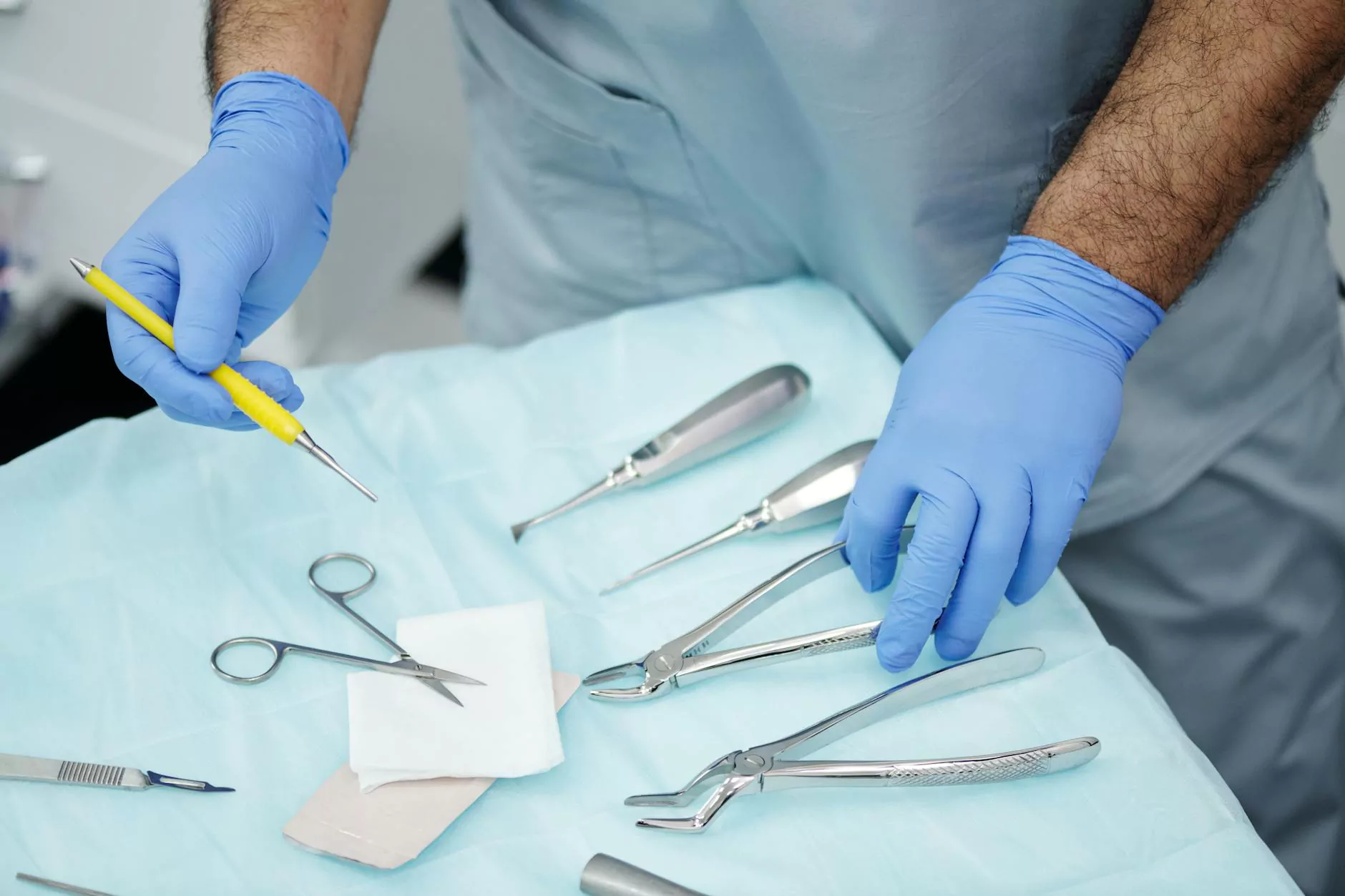
Dental crowns are among the most commonly used dental restorations worldwide, serving as a reliable solution for restoring damaged, decayed, or aesthetically compromised teeth. As with any dental procedure, understanding both the benefits and potential drawbacks—including the disadvantages of dental crowns—is essential for making informed decisions about your oral health.
What Are Dental Crowns?
Dental crowns, often referred to as caps, are custom-made coverings that encase the entire visible portion of a tooth. They are designed to restore the shape, size, strength, and appearance of a tooth that has experienced damage or decay. Crowns can be fabricated from a variety of materials, including porcelain, ceramic, metal, composite resin, or a combination thereof, depending on the location of the tooth and aesthetic requirements.
Major Benefits of Dental Crowns
- Restoration of Tooth Integrity: Dental crowns provide strength to structurally compromised teeth, preventing further damage or fracture.
- Enhanced Aesthetics: Porcelain or ceramic crowns mimic the natural appearance of teeth, improving patient confidence and smile aesthetics.
- Protection Against Decay: Crowns act as a shield against bacteria and acids, reducing the risk of further decay or infection.
- Improved Functionality: Restoring the ability to chew, bite, and speak comfortably, especially when significant tooth structure is lost.
- Durability and Longevity: When properly maintained, dental crowns can last between 10 and 15 years or more, making them a cost-effective long-term solution.
- Versatility: Suitable for various dental issues, including fractured teeth, root canals, large fillings, and aesthetic enhancements.
Understanding the Disadvantages of Dental Crowns
Despite their numerous advantages, dental crowns are not without drawbacks. The disadvantages of dental crowns can influence your decision-making process and should be carefully considered. Below, we discuss these disadvantages in detail to help you weigh the pros and cons.
1. Potential Damage to Adjacent Teeth
In some cases, preparing a tooth for a crown involves removing a substantial amount of tooth structure. This process may inadvertently impact neighboring teeth, especially if the dentist's technique is not meticulous. Additionally, if the crown is not perfectly fitted, it can cause undue pressure on adjacent teeth, leading to discomfort or eventual damage.
2. Sensitivity After Placement
Following the placement of a crown, patients often experience increased sensitivity to hot, cold, or sweet stimuli. This sensitivity is usually temporary but can persist if the nerve inside the tooth is affected or if there is a mismatch in the crown fitting, exposing the underlying dentin or causing nerve irritation.
3. Risk of Chipping or Fracture
Especially with porcelain or ceramic crowns, there is a risk of chipping or cracking under stress. Biting hard foods, habits like teeth grinding (bruxism), or accidental trauma can compromise the crown’s integrity, necessitating repairs or replacement.
4. Possible Allergic Reactions
Although rare, some patients may develop allergic reactions to certain crown materials, particularly metals like nickel or other alloy components. Proper material selection and communication with your dentist can help mitigate this risk.
5. High Cost and Insurance Limitations
Dental crowns can be costly, especially for porcelain or ceramic options that provide superior aesthetics. Insurance plans may cover only a portion of the expense, leaving patients to bear the remaining costs. Moreover, certain types of crowns may not be covered if deemed purely cosmetic.
6. Requirement for Tooth Preparation and Invasive Procedure
The process of fitting a crown involves invasive preparation of the tooth, including removal of healthy tooth material. This irreversible procedure may be concerning for those seeking minimally invasive options.
7. Potential for Crown Failure and Replacement
Over time, crowns may loosen, fall off, or fail due to wear, decay, or underlying issues such as gum disease. Regular dental check-ups are crucial to monitor the condition of your crown and prevent complex future problems.
Factors That Influence the Disadvantages of Dental Crowns
The extent to which the disadvantages of dental crowns manifest depends on several factors:
- Material Quality: Higher-quality materials tend to be more durable but may be more expensive.
- Technological Precision: Advances in CAD/CAM technology improve fit and reduce adverse outcomes.
- Dental Hygiene: Maintaining excellent oral hygiene reduces the risk of decay under the crown and surrounding tissues.
- Enamel and Tooth Structure: The more tooth material removed during preparation, the higher the risk of sensitivity and future problems.
- Patient Behavior: Habits like teeth grinding and biting hard substances can accelerate crown wear or failure.
How to Minimize the Disadvantages of Dental Crowns
While some disadvantages of dental crowns are inherent, there are effective strategies to minimize their impact:
- Choose Experienced Dental Professionals: Skilled dentists can ensure precise fitting and minimize damage.
- Opt for High-Quality Materials: Investing in durable and biocompatible materials reduces chipping and allergic reactions.
- Maintain Excellent Oral Hygiene: Regular flossing, brushing, and professional cleanings prevent decay and gum disease.
- Avoid Hard and Sticky Foods: Protect your crowns by steering clear of substances that can cause damage.
- Use Protective Devices: Nightguards can safeguard against teeth grinding impacts.
- Regular Dental Check-Ups: Periodic assessments help identify issues early before they escalate.
Conclusion: Making an Informed Decision About Dental Crowns
In summary, dental crowns offer numerous benefits, such as restoring functionality and improving aesthetics. However, understanding the disadvantages of dental crowns is equally important to ensure you are making a well-informed choice tailored to your oral health needs. Consulting with experienced dental professionals and considering your lifestyle, budget, and preferences will help you maximize the benefits while minimizing potential drawbacks.
Explore Quality Dental Care at wupdoc.com
At wupdoc.com, our team of qualified doctors, health & medical specialists, and medical centers are dedicated to providing cutting-edge dental treatments with a focus on patient safety and satisfaction. Whether you require routine dental restoration or advanced cosmetic procedures, our facility adheres to the highest standards of care to ensure excellent outcomes.
Invest in your dental health today by seeking professional advice, understanding the options available, and choosing solutions that best suit your long-term wellness goals. Remember, knowledge is power—arming yourself with comprehensive information about dental treatments such as crowns will lead to healthier, happier smiles.