Mixing Semaglutide with Bacteriostatic Water: A Comprehensive Guide
In the rapidly evolving world of pharmaceuticals, understanding proper medication handling is crucial. Among various medications, semaglutide has gained significant attention due to its efficacy in managing weight and treating type 2 diabetes. However, the process of mixing semaglutide with bacteriostatic water is an essential step that requires precision and care. This article will provide a detailed overview of semaglutide, the reasons for its mixing with bacteriostatic water, and step-by-step instructions to ensure safety and effectiveness.
What is Semaglutide?
Semaglutide is a glucagon-like peptide-1 (GLP-1) receptor agonist that is primarily used for the treatment of type 2 diabetes and for weight management in individuals with obesity. This medication mimics the body's own GLP-1, which enhances insulin secretion and reduces glucagon secretion, leading to better blood sugar control.
Why is Bacteriostatic Water Used?
Bacteriostatic water is sterile water that contains a small amount of benzyl alcohol, which serves as a preservative to prevent bacterial growth. It is commonly used for the reconstitution of medications, including peptides and proteins like semaglutide. Using bacteriostatic water helps maintain the sterility and integrity of the medication. Here are several reasons why bacteriostatic water is preferred:
- Prevents Contamination: Bacteriostatic water minimizes the risk of introducing harmful bacteria during the mixing process.
- Extension of Shelf Life: The presence of benzyl alcohol extends the shelf life of the reconstituted medication.
- Maintains Stability: Bacteriostatic water helps maintain the stability and effectiveness of semaglutide post-reconstitution.
Understanding the Dosage and Formulation of Semaglutide
Semaglutide is typically available in a powdered form, which requires reconstitution before use. It is essential to consult healthcare professionals to determine the correct dosage based on individual needs. The common concentrations for treatment may vary, thus understanding your medication's specifications is crucial.
Recommended Dosage Guidelines
The typical starting dose of semaglutide for weight management is 0.25 mg once a week, which can be increased to 0.5 mg, and eventually up to 1 mg as tolerated. For those taking semaglutide for diabetes control, the dosing may differ, and adjustments should be made under a professional's guidance.
Step-by-Step Guide for Mixing Semaglutide with Bacteriostatic Water
Mixing semaglutide with bacteriostatic water can be straightforward if followed precisely. Below are the detailed steps for reconstitution:
Materials Needed
- Vial of semaglutide (powder form)
- Bacteriostatic water (from a sterile vial)
- Alcohol wipes
- Insulin syringe or sterile syringe
- Sharps disposal container
Preparation Steps
- Wash Your Hands: Begin by thoroughly washing your hands with soap and water.
- Gather Materials: Assemble all materials in a clean and sanitized area.
- Clean Vials: Use an alcohol wipe to clean the tops of both the semaglutide vial and the bacteriostatic water vial to eliminate any potential contaminants.
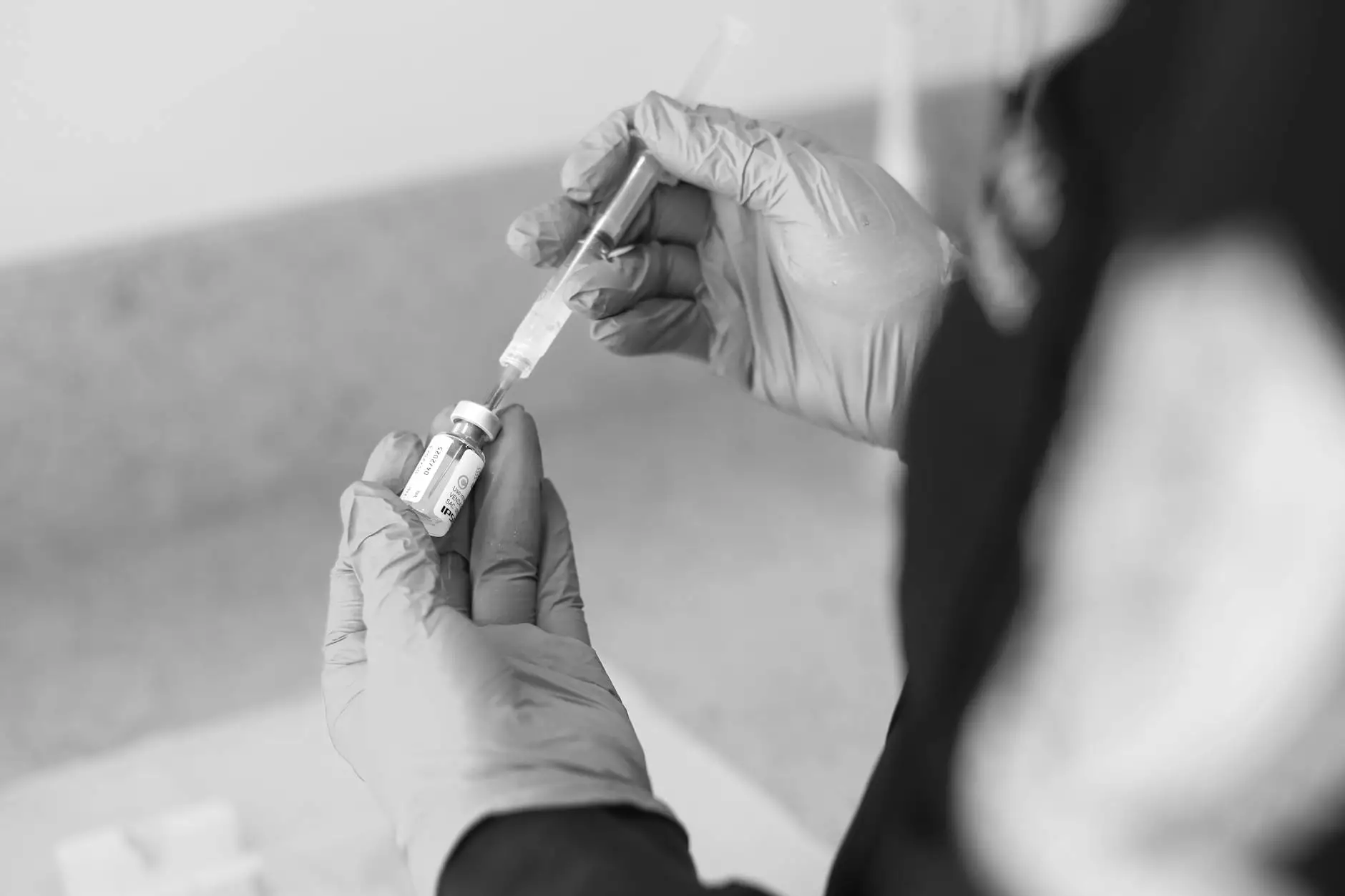
- Withdraw Bacteriostatic Water: Draw up the appropriate amount of bacteriostatic water into the syringe. Typically, for semaglutide, you may use 1 mL, but always refer to specific instructions regarding dosage.
- Inject Water into Semaglutide: Inject the bacteriostatic water slowly into the semaglutide vial. Aim for the side of the vial rather than directly onto the powder to prevent foaming.
- Swirl Gently: After adding the water, gently swirl the vial to mix. Do not shake it vigorously, as this may damage the active ingredient.
- Check the Solution: Ensure that the solution is clear and free from particles. If it appears cloudy or contains floating particles, do not use it and consult a healthcare professional.
Storing Mixed Semaglutide
Once mixed, semaglutide should be stored in a refrigerator at 2°C to 8°C (36°F to 46°F). It is important not to freeze the solution. You should also keep it away from light and use it within the timeframe specified by your healthcare provider or as indicated on the vial.
Safety Precautions
Handling medications requires diligence and adherence to safety protocols. Here are several crucial precautions to follow when mixing semaglutide with bacteriostatic water:
- Always Consult a Professional: Before starting or mixing medications, engage with a healthcare provider to discuss your plan and any potential interactions.
- Use Sterile Techniques: To avoid contamination, always handle vials and syringes with sterile techniques.
- Observe Expiry Dates: Check the expiry dates on all materials; using expired products can lead to ineffective treatment.
- Dispose Responsibly: Use a designated sharps disposal container for all needles and syringes to minimize health hazards.
Potential Side Effects of Semaglutide
Like any medication, semaglutide may lead to side effects, some of which can be significant. Common side effects include:
- Nausea
- Diarrhea
- Vomiting
- Constipation
- Stomach pain
In rare instances, more serious side effects may occur, such as pancreatitis or kidney problems. It is vital to monitor your body’s responses and report any unusual symptoms to your healthcare provider.
Conclusion
In summary, understanding the process of mixing semaglutide with bacteriostatic water is essential for safe and effective treatment outcomes. Through careful handling, proper dosage, and adherence to safety principles, patients can benefit significantly from semaglutide's therapeutic effects. Always remember that ongoing communication with healthcare providers is paramount to ensuring a safe treatment plan tailored to individual needs.
For more information, support, and access to necessary medications, consider visiting Skinny Jabs, where healthcare professionals can assist you in your weight management journey or diabetes treatment with the utmost care.