The Comprehensive Guide to Lung Cancer CT Scans
Lung cancer is one of the most prevalent forms of cancer worldwide, and its early detection is crucial for effective treatment and improved patient outcomes. Among the numerous diagnostic techniques, the lung cancer CT scan stands out as one of the most effective tools. This article will delve into the importance, procedure, and benefits of lung cancer CT scans, providing a thorough understanding of their role in the realm of health and medical diagnostics.
What is a Lung Cancer CT Scan?
A lung cancer CT scan, or computed tomography scan, is an advanced imaging technique that produces cross-sectional images of the lungs. Utilizing X-rays and computer technology, this method creates detailed images that allow healthcare professionals to examine the lungs for the presence of tumors or other abnormalities.
Why is a Lung Cancer CT Scan Necessary?
CT scans are integral to the comprehensive assessment of lung health due to various reasons:
- Early Detection: One of the primary advantages of CT scans is their ability to identify lung cancer at its earliest stages, which is vital for successful treatment.
- Screening High-Risk Patients: Individuals with a history of smoking or exposure to carcinogens are often recommended to undergo CT scans as a proactive approach to detect lung cancer early.
- Guidance for Biopsies: CT scans can help locate areas of concern, making it easier for physicians to perform biopsies and collect tissue samples for further analysis.
- Monitoring Treatment Response: For patients diagnosed with lung cancer, CT scans are essential for monitoring the effectiveness of treatments such as chemotherapy or radiation therapy.
The Process of Conducting a Lung Cancer CT Scan
The procedure for a lung cancer CT scan is relatively straightforward and typically involves the following steps:
- Preparation: Patients are usually advised to wear comfortable clothing and may need to change into a hospital gown. They should inform the technician of any allergies (especially to contrast materials) or medical conditions.
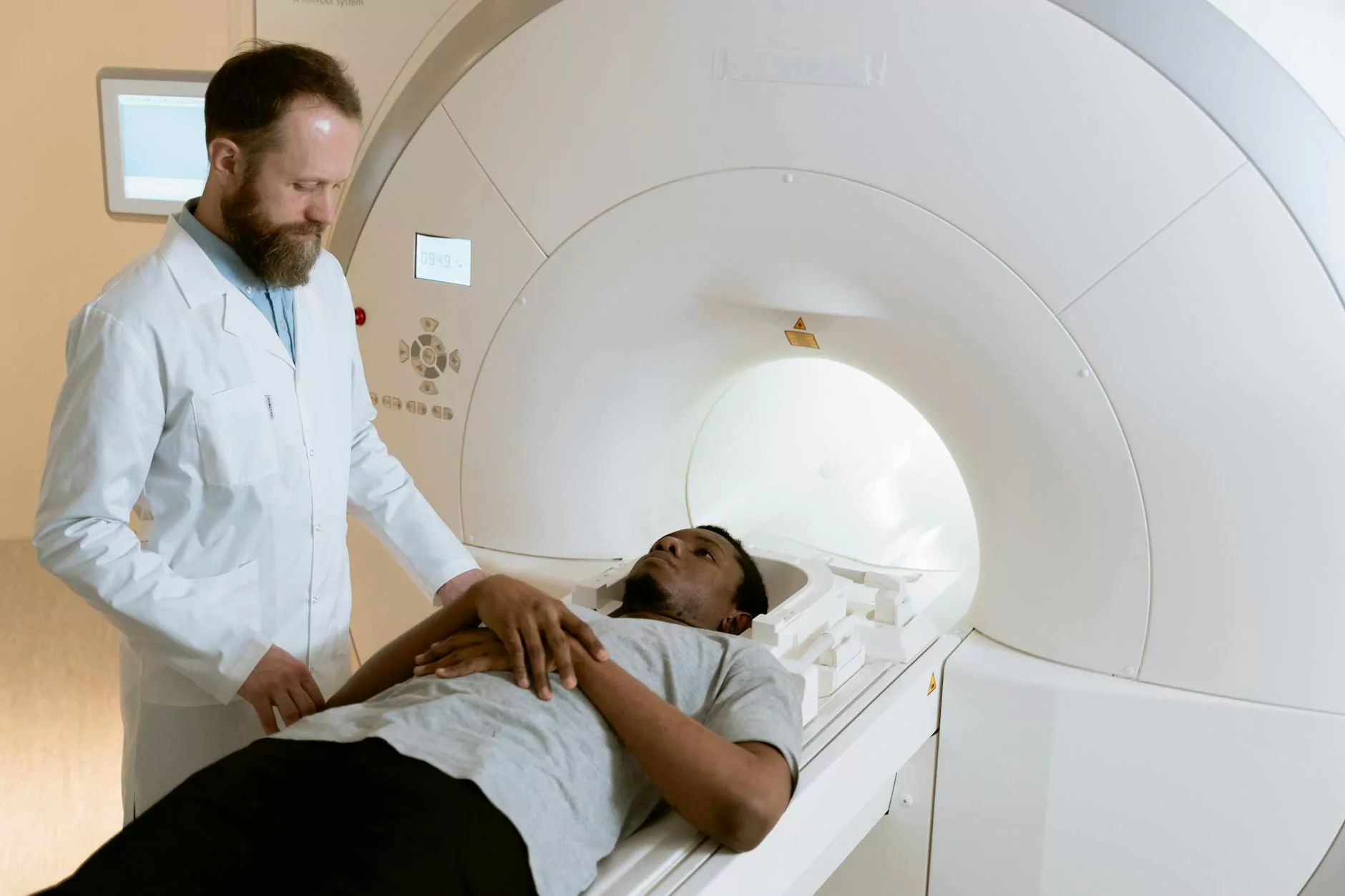
- Positioning: The patient lies on a table that slides into the CT scanner, which is a large, doughnut-shaped machine.
- Scanning: The machine rotates around the patient, taking multiple X-ray images of the chest. Some scans might require the use of a contrast dye, which enhances the visibility of blood vessels and tissues.
- Post-Scan: Following the scan, patients can usually resume normal activities immediately. The images are reviewed by a radiologist who reports the findings to the physician.
Benefits of Lung Cancer CT Scans
The benefits of undergoing a lung cancer CT scan are numerous and can significantly impact patient care:
- High Sensitivity and Specificity: CT scans provide high-resolution images that can accurately distinguish between cancerous and non-cancerous lesions.
- Non-Invasive Procedure: Unlike other diagnostic methods, such as surgeries or invasive biopsies, CT scans are painless and non-invasive.
- Rapid Results: CT scans often deliver results within a day, allowing for prompt diagnosis and timely treatment.
- Informed Treatment Decisions: The detailed images obtained from CT scans empower healthcare providers to make informed decisions regarding patient management, surgical interventions, and treatment pathways.
Limitations and Considerations
While lung cancer CT scans are incredibly beneficial, there are some considerations to keep in mind:
- Radiation Exposure: CT scans do involve exposure to radiation, though the benefits of early detection often outweigh the risks.
- False Positives: Sometimes, CT scans may indicate suspicious areas that prove to be benign upon further testing. This can result in unnecessary anxiety and additional testing.
- Not a Replacement for Other Tests: While CT scans are highly effective, they should be part of a comprehensive diagnostic approach, which may include other imaging methods, blood tests, and biopsies.
The Role of Health & Medical Professionals
Healthcare providers play a crucial role in the management of lung cancer screening and treatment:
- Primary Care Physicians: They often initiate the conversation about screening, especially for patients at high risk.
- Oncologists: Specialists who interpret CT scans and recommend targeted treatments to optimize patient outcomes.
- Radiologists: They are responsible for analyzing the CT scan imagery and providing crucial reports that inform treatment plans.
- Pulmonologists: Doctors specializing in lung health can provide additional insights and personalized care options based on CT scan findings.
Conclusion: Emphasizing the Importance of Vigilance
In summary, a lung cancer CT scan is a pivotal component of lung cancer detection and management strategies. Its ability to provide detailed images allows healthcare professionals to make informed decisions that can significantly impact patient outcomes. Regular screenings, particularly for high-risk individuals, facilitate early detection, leading to higher survival rates and better quality of life.
As the medical landscape continues to evolve with technological advancements, it remains imperative for patients and healthcare providers alike to remain vigilant in the fight against lung cancer. Staying informed about the importance of screening options, such as CT scans, can empower patients to take proactive steps in safeguarding their health.
Further Reading and Resources
For those looking to learn more about lung cancer and CT scans, consider exploring the following resources:
- The American Cancer Society: Lung Cancer
- RadiologyInfo: CT Scans
- National Institutes of Health: CT Scanning for Lung Cancer
Engaging with health professionals, including your primary care provider or a specialized oncologist, can provide personalized insights and support as you navigate the complexities associated with lung cancer diagnosis and treatment.
Remember, early intervention can make all the difference in the journey toward recovery and health. Stay informed and take charge of your lung health!