The Art of Printing and the Concept of a Counterfeit Dollar
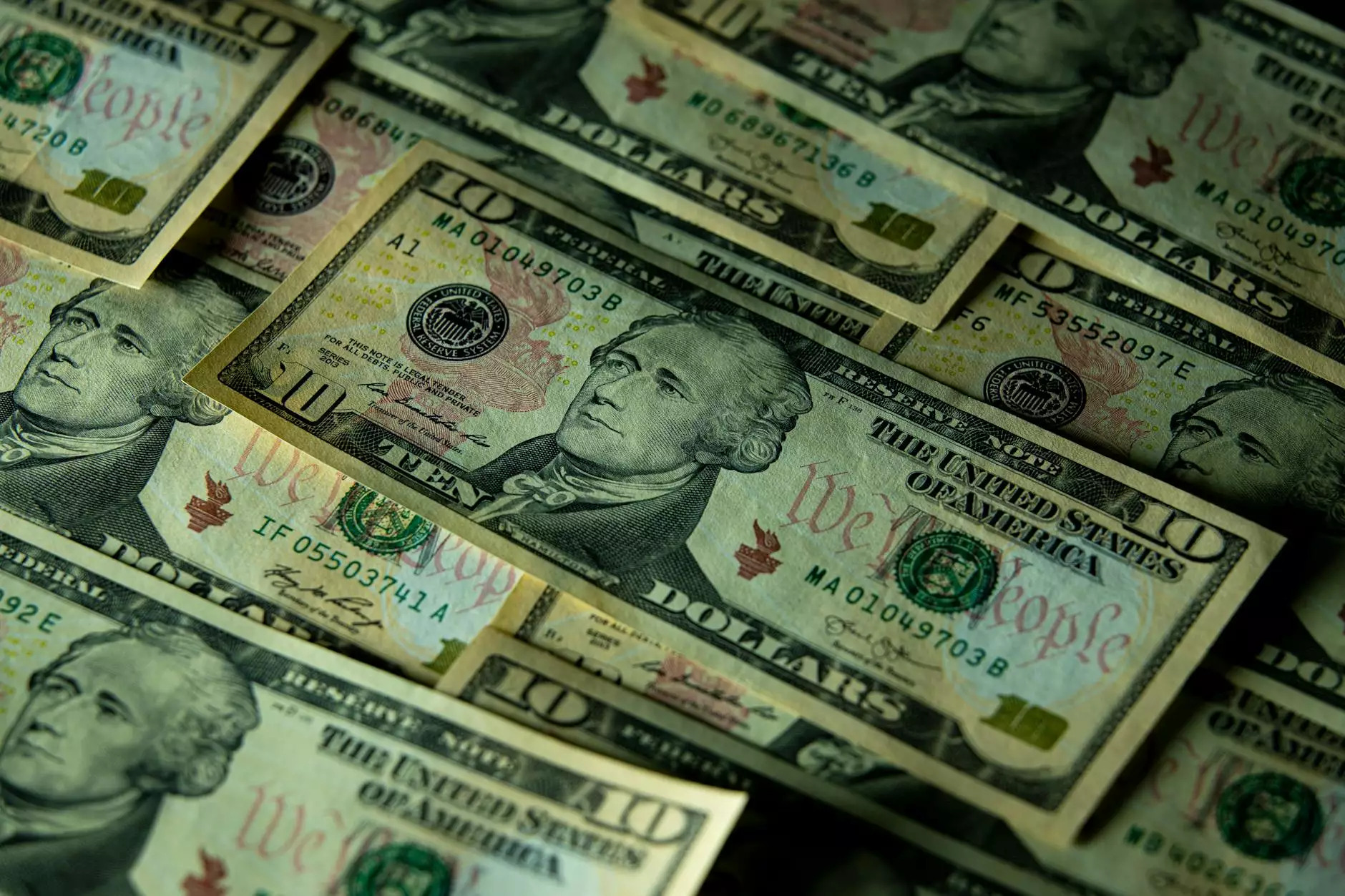
In the vast world of business, the printing industry occupies a pivotal role, serving a variety of sectors with its unique offerings. Among these offerings, the concept of a counterfeit dollar has long captured the public's imagination and sparked significant discussions regarding legality, ethics, and economics. This article dives deep into the printing services industry, the intricacies of counterfeit currency, and its implications in today’s economy. Uniquely, we will examine these elements as they relate to IdealCounterfeit.com.
Understanding Printing Services
The printing services industry encompasses a wide range of activities, from commercial printing to personalized stationery. This segment is robust and continually evolving due to technological advancements and changing consumer needs.
TheTypes of Printing Services
- Commercial Printing: This includes brochures, flyers, business cards, and more, tailored to help businesses promote their products and services.
- Digital Printing: Utilizing digital technologies, this method allows for shorter print runs and quicker turnaround times, ideal for on-demand projects.
- Offset Printing: A traditional method that delivers high-quality prints for large-scale production, often used for magazines, books, and newspapers.
- Specialty Printing: This category includes custom items such as packaging, labels, textiles, and signage that require unique processes.
Each of these categories contributes significantly to the overall workings of a business by providing essential tools for advertising and branding.
What is a Counterfeit Dollar?
The term counterfeit dollar refers to imitations of legal tender intended to deceive individuals, businesses, and authorities. While the act of counterfeiting is illegal, understanding the nature of counterfeit currency can provide insights into economic behavior and the importance of secure printing practices.
The History of Counterfeit Currency
Counterfeiting dates back centuries, originating when coins were physically altered to mimic the appearance of genuine currency. Fast forward to the present day, the introduction of banknotes in the 17th century led to new counterfeiting challenges. Today, modern technology has made it easier to produce realistic counterfeits, presenting new challenges for governments and printing industries.
The Mechanics of Counterfeit Production
Counterfeiters often employ advanced printing techniques similar to legitimate printing processes. This includes:
- High-Quality Printers: Utilizing industrial-grade printers capable of producing crisp, detail-oriented images.
- Specialized Paper: Using paper that mimics the weight, texture, and finish of genuine currency.
- Security Features: Attempting to replicate features like watermarks, security threads, and microprinting, essential to authentic banknotes.
The prevalence of counterfeit dollars taps into a broader discourse on economic integrity and wealth management, highlighting the importance of secure printing methods.
Implications of Counterfeiting in Business
Counterfeiting poses significant risks not only to businesses but to entire economies. Here are several implications:
Economic Impact
Counterfeiting undermines the economy's integrity by diminishing the value of authentic currency. When counterfeit money circulates, it can lead to inflation, reduced consumer confidence, and overall economic instability.
Impact on Businesses
Businesses face substantial financial losses due to counterfeit products; hence, they invest heavily in anti-counterfeiting measures. These may include:
- Enhanced Security Features: Employing advanced technologies to embed security measures into products.
- Legal Actions: Engaging in litigation to protect intellectual property and combat counterfeit operations.
- Consumer Education: Informing customers about distinguishing features of genuine products to reduce the chances of falling victim to counterfeit goods.
Preventing Counterfeiting: A Necessary Endeavor
Given the implications of counterfeiting, preventing this illegal activity is vital for the welfare of businesses and consumers alike. Organizations like IdealCounterfeit.com address these concerns through advanced printing methodologies.
Modern Printing Techniques to Combat Counterfeiting
Innovative printing technologies play a critical role in securing printed products and currency. Some of these techniques include:
- Digital Watermarking: A method that embeds invisible data within printed materials, providing an additional layer of security.
- Ink Variations: Utilizing inks that change colors when viewed from different angles, making it difficult for counterfeiters to replicate.
- Microprinting: Including tiny text or designs that are nearly impossible to copy accurately with standard printing equipment.
By harnessing these techniques, businesses can significantly lower the risks associated with counterfeit products and enhance their brand integrity.
Conclusion: The Importance of Secure Printing Services
In conclusion, the interplay between printing services and the concept of a counterfeit dollar is crucial for understanding modern business challenges. As businesses continue to navigate the complexities of the economy, it becomes increasingly important to prioritize security in the printing process.
At IdealCounterfeit.com, we provide cutting-edge printing services designed to combat the implications of counterfeiting. Our commitment to quality and security ensures that businesses remain protected against the potentially damaging effects of counterfeit currency. By understanding the significance of genuine printing services, businesses can thrive within the marketplace while helping to preserve the integrity of the economy.
By tackling the issue of counterfeiting head-on, we not only secure our businesses but also foster trust within our communities. The fight against the counterfeit dollar is a fight for economic stability and integrity.