Transforming Spaces: The Role of Commercial Property Architects
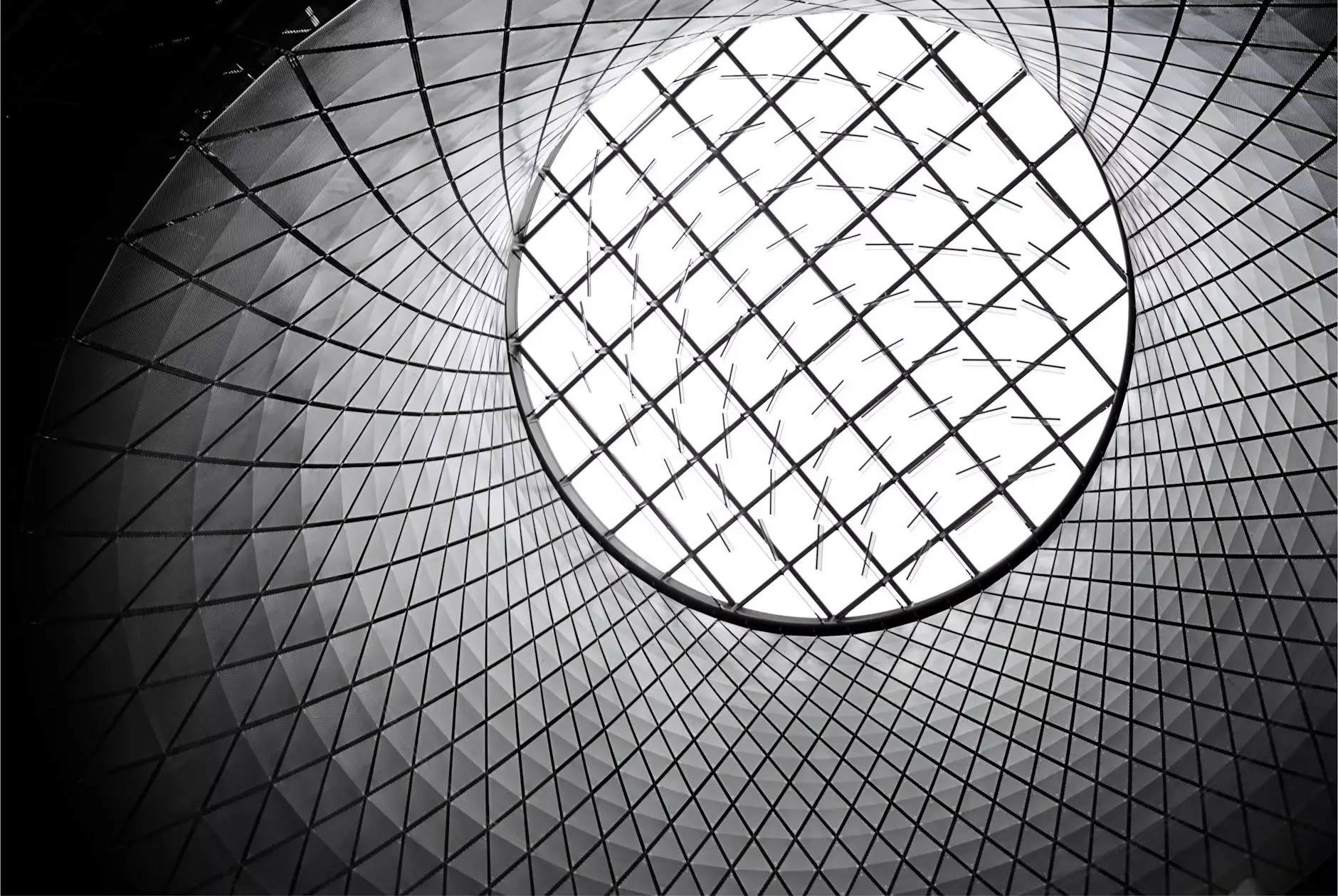
In the ever-evolving world of business, the significance of commercial property architects cannot be overstated. These professionals are responsible for crafting spaces that are not only functional but also aesthetically pleasing, thus setting the stage for productivity and innovation. At sthcons.com, we delve into the multifaceted roles that architects play in the commercial real estate sector.
The Importance of Architectural Expertise in Commercial Property
As businesses compete in dynamic markets, having a well-designed space has become paramount. Here are several reasons why commercial property architects are essential:
- Enhancing functionality: Commercial spaces need to cater to specific operational functionalities, whether it’s facilitating teamwork or ensuring smooth customer interactions.
- Brand identity: A well-designed commercial property reflects a brand's ethos and values, making it crucial for businesses to engage with a qualified architect.
- Sustainability: Modern architects incorporate sustainable practices into their designs, which can significantly reduce operating costs and improve the environmental impact of a business.
- Compliance and regulations: An experienced architect understands zoning laws, building codes, and safety regulations, ensuring that the property is compliant from the outset.
Key Responsibilities of Commercial Property Architects
The role of a commercial property architect encompasses a wide range of responsibilities. Below are some of the critical tasks they perform:
Initial Consultation and Planning
The journey begins with an initial consultation where architects evaluate the needs of the client. This phase is vital for:
- Discussing the project scope and vision.
- Understanding the budget constraints and timelines.
- Identifying the site conditions and potential challenges.
Design Development
Once the groundwork is laid, architects move on to the design phase. This stage includes:
- Creating floor plans that optimize space usage.
- Selecting materials and finishes that align with the brand's identity.
- Incorporating technology to ensure the property is future-proof.
Project Management and Oversight
Architects not only design but also oversee the entire construction process. Their role here is crucial as they:
- Ensure the project adheres to the approved designs.
- Manage contractors and coordinate between various trades.
- Regularly communicate progress to stakeholders.
Design Trends Shaping Commercial Properties
Understanding the latest design trends is essential for commercial property architects to create competitive and appealing spaces. Here are some trends currently reshaping the landscape:
Flexible Workspaces
The rise of remote work has led to the demand for flexible workspace designs that can accommodate changing needs.
Biophilic Design
Incorporating natural elements enhances employee well-being and promotes productivity. Architects are increasingly using elements like:
- Natural light.
- Indoor plants.
- Natural materials.
Smart Buildings
Advancements in technology allow for the creation of smart buildings equipped with:
- IoT devices for energy management.
- Automated systems for climate control.
- Advanced security features.
Challenges Faced by Commercial Property Architects
While the role of architects is critical, they also face numerous challenges, including:
Budget Constraints
Developing creative solutions within limited budgets can be a significant hurdle. Architects must balance cost with design integrity.
Changing Regulations
Keeping up with ever-changing building regulations and codes requires constant learning and adaptability.
Client Expectations
Managing client expectations and ensuring that vision aligns with practical outcomes is always a significant challenge.
The Future of Commercial Property Architecture
The future of commercial property architecture is bright and exciting. As we progress, several factors seem poised to influence the field:
Technological Advancements
Emerging technologies, such as Building Information Modeling (BIM), are revolutionizing design processes and enhancing collaboration among stakeholders.
Sustainability as a Standard
With increasing awareness of environmental issues, sustainable design will transition from a trend to a standard practice, with architects leading the charge for eco-friendly solutions.
Increased Focus on Wellness
The emphasis on workplace wellness is expected to grow, guiding architects toward designing spaces that promote physical and mental health.
Choosing the Right Commercial Property Architect
Finding the right commercial property architect can determine the success of a project. Here are some tips to consider:
- Review their portfolio: Look for projects that resonate with your vision.
- Check references: Speak with past clients to gauge their satisfaction.
- Assess their communication: Ensure they are open, approachable, and responsive.
Conclusion
In summary, commercial property architects are pivotal in shaping modern business environments. Their expertise enhances functionality, boosts brand identity, and promotes sustainability. As we move toward a future that prioritizes wellness and technological advancement, the role of these architects will only continue to grow in importance. Investing in the right architectural partner, like those at sthcons.com, will ensure that your commercial space is not only designed to meet today’s needs but is also prepared for tomorrow's challenges.