Exploring the World of Firearms: A Comprehensive Guide to Guns, Ranges, and Training
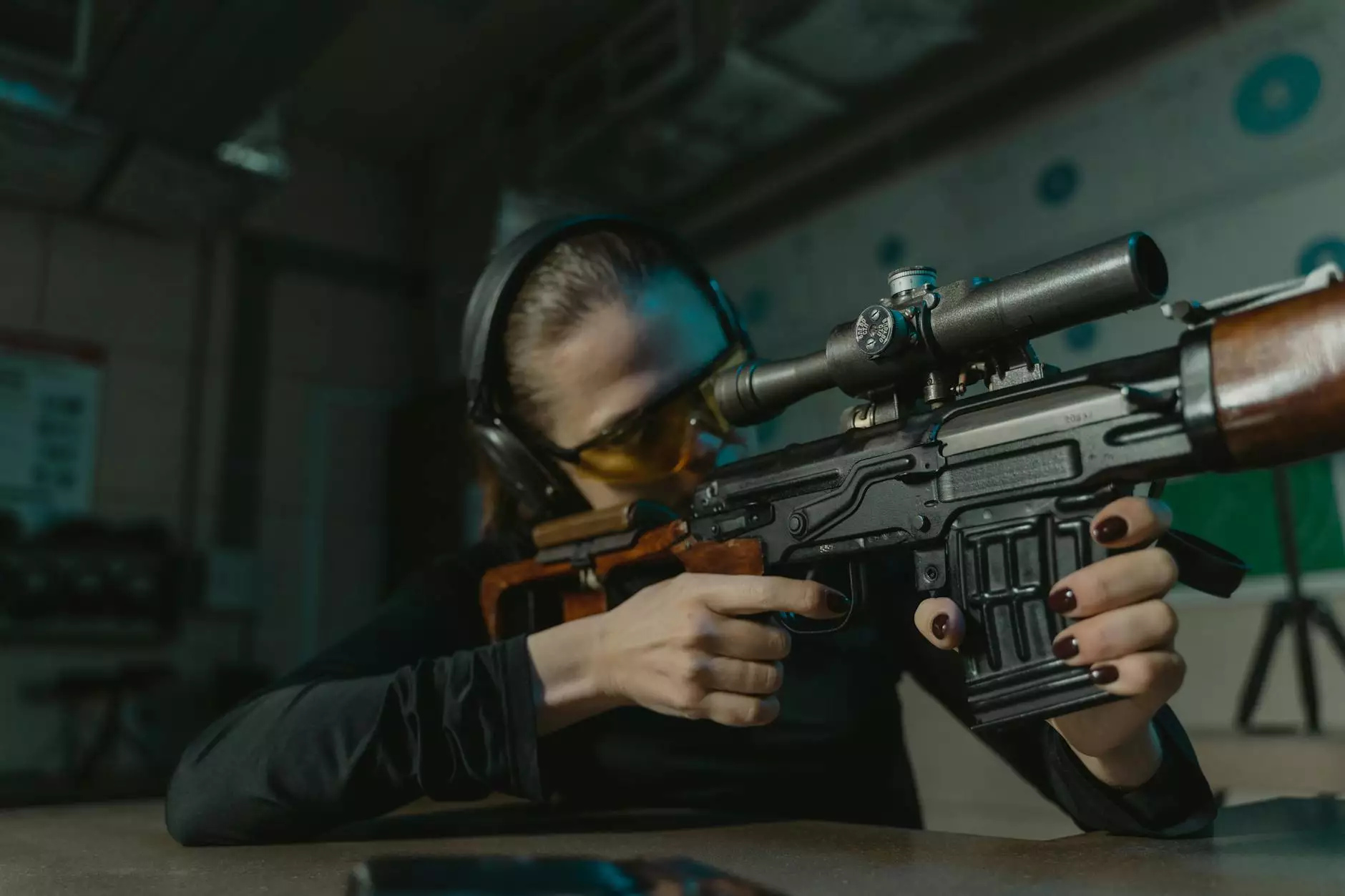
The world of firearms is as vast as it is fascinating. With a rich history and a variety of applications ranging from sport shooting to self-defense and hunting, understanding firearms can enhance your appreciation and proficiency. Whether you are a seasoned marksman or a newcomer eager to learn, knowledge is your greatest tool in this field. This article serves to enrich your understanding of https://kmtactical.net/, focusing on Guns & Ammo, Gun/Rifle Ranges, and Firearm Training.
1. Guns & Ammo: Understanding Your Equipment
When it comes to firearms, the first step is understanding the types of guns and ammunition available on the market. This knowledge is crucial for making informed decisions whether you are purchasing your first firearm or augmenting your collection.
1.1 Types of Firearms
Firearms are generally categorized into several types:
- Handguns: Compact and versatile, handguns are often used for personal defense and competitive shooting. They include revolvers and semi-automatic pistols.
- Rifles: Known for their accuracy over longer distances, rifles are popular for hunting and target shooting. They come in various calibers and types, including bolt action, semi-automatic, and lever action.
- Shotguns: Ideal for hunting and sport shooting, shotguns fire a broad spread of pellets and are often used in clay pigeon shooting and bird hunting.
- AR-15 Platform: Known for its modularity and customization options, the AR-15 is popular among sport shooters and home defense enthusiasts.
1.2 Understanding Ammunition
Choosing the right ammunition is almost as important as selecting the right firearm. Ammunition varies widely based on the type of firearm, and understanding the specifications is vital.
- Caliber: This refers to the diameter of the bullet. Different firearms are designed for specific calibers.
- Type of Round: Common types include full metal jacket (FMJ), hollow point (HP), and ball ammunition, each serving different purposes such as target shooting or defense.
- Grain Weight: This indicates the weight of the bullet, which can affect velocity and performance.
2. Gun/Rifle Ranges: The Ideal Environment for Practice
Practicing your shooting skills in a controlled environment is essential. Gun and rifle ranges provide a safe and structured space for individuals to enhance their skills.
2.1 Types of Ranges
There are various types of gun/rifle ranges available:
- Indoor Ranges: Typically air-conditioned and weather-proof, ideal for handguns and short-range practice.
- Outdoor Ranges: Suitable for long-range shooting, offering various distances and often covering broader shooting disciplines.
- Private Ranges: Owned by individuals or clubs, providing exclusive access for members, often equipped with specialized features.
2.2 Etiquette and Safety at the Range
Following proper etiquette and safety protocols at the range is crucial for everyone’s safety and enjoyment:
- Always follow the range rules: Familiarize yourself with the specific rules of the range you are visiting.
- Wear hearing and eye protection: Essential for preventing injuries.
- Handle firearms responsibly: Always treat every firearm as if it’s loaded and point it in a safe direction.
3. Firearm Training: Building Skills and Confidence
Proper training is the cornerstone of becoming a proficient shooter. Investing time and effort into firearm training enhances not only your skills but also your confidence and safety.
3.1 Types of Training
There are various forms of firearm training available, catering to different needs and skill levels:
- Basic Firearm Safety Courses: Ideal for beginners, these courses cover the fundamentals of firearm handling and safety.
- Marksmanship Training: Focused on improving shooting accuracy and precision through various drills and techniques.
- Defensive Shooting Courses: Designed for individuals seeking to use firearms for personal protection, teaching situational awareness and effective shooting under stress.
3.2 Finding the Right Instructor
Selecting a qualified instructor is vital to gaining effective training. Look for instructors who have:
- Proper certification: Ensure they are certified by recognized organizations.
- Experience: An instructor with years of shooting experience can provide invaluable insights.
- Positive reviews: Testimonials from former students can indicate the quality of their training methods.
4. Knocking Down Myths Surrounding Firearms
There are numerous myths and misconceptions associated with firearms that can deter potential enthusiasts. Understanding the reality is important in promoting responsible gun ownership.
4.1 Myth vs. Reality
Let’s explore some common myths:
- Myth: Guns are inherently dangerous. Reality: Guns are tools. Safe handling and responsible ownership significantly reduce risks.
- Myth: Only law enforcement should carry firearms. Reality: Many people, including civilians, benefit from training in personal defense scenarios.
- Myth: You need to be a marksmanship expert to own a gun. Reality: With proper training, anyone can learn to handle firearms safely and effectively.
5. Conclusion: Embracing Firearms Responsibly
In conclusion, the world of firearms is multifaceted and exciting. Understanding the intricacies of Guns & Ammo, familiarizing yourself with Gun/Rifle Ranges, and undertaking comprehensive Firearm Training can lead to a rewarding experience as a firearm enthusiast. Whether for competition, sport, or defense, responsible ownership and education are paramount. Engage with communities, participate in safety courses, and continually seek knowledge. You’ll find that being a part of this world can be not only fulfilling but also empowering.
For more information and resources, be sure to visit https://kmtactical.net/ where you can explore a wide array of products and courses that will aid in your journey through the thrilling realm of firearms.