The Crucial Role of **Wood Manufacturers** in the Timber Industry
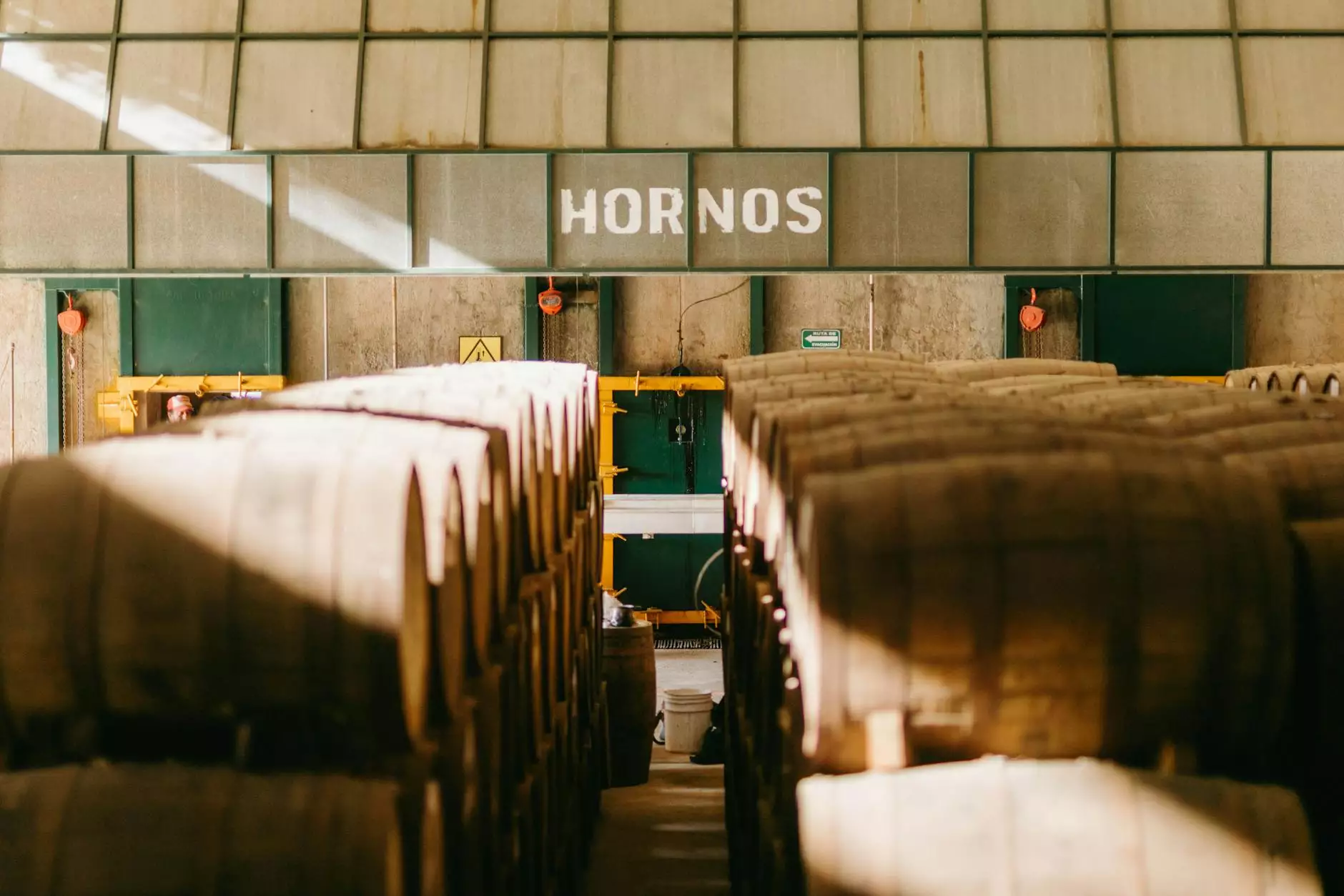
In the modern economy, the significance of wood manufacturers cannot be overstated. As the world becomes increasingly focused on sustainable practices, wood has emerged as a primary choice for various applications, from construction to furniture. VPTimberTradingSIA.com stands at the forefront of this industry, providing high-quality timber products and unmatched service. This article delves into the multifaceted role that wood manufacturers play in various sectors, shedding light on their contributions to sustainability, innovation, and the overall economy.
1. Overview of Wood Manufacturing
Wood manufacturing encompasses the processes involved in converting logs into usable timber products. This involves several stages including harvesting, sawing, milling, and finishing. Each step requires a skill set geared towards maximizing efficiency while maintaining the quality of the wood. Timber merchants and wood suppliers work diligently to ensure that the raw materials are processed correctly and ethically, making wood a preferred material in various applications.
1.1. The Process of Wood Manufacturing
Understanding the manufacture of wood products is crucial for appreciating the final product's quality. The steps include:
- Harvesting: The process begins with sustainably sourcing timber from forests, ensuring minimal environmental impact.
- Transportation: Once harvested, logs are transported to manufacturing facilities.
- Sawing: Logs are cut into specified dimensions, depending on the intended use.
- Milling: This involves further refining logs into finished products, including beams, planks, and boards.
- Finishing: Applied treatments enhance durability, aesthetics, and functionality of the wood products.
2. Importance of Wood Manufacturers in Sustainable Practices
As sustainability takes center stage in various industries, wood manufacturers have adopted practices that emphasize environmental responsibility. Since wood is a renewable resource, its manufacturing helps reduce the carbon footprint significantly as compared to synthetic materials. Manufacturers are increasingly engaged in sustainable logging and processing techniques. This ensures that forest ecosystems remain intact and biodiversity is preserved.
2.1. Sustainable Forest Management
One of the primary responsibilities of wood manufacturers is to engage in sustainable forest management (SFM). This entails:
- Replanting: For every tree harvested, a new one is planted, thereby ensuring a healthy future for forest ecosystems.
- Selective Logging: This method reduces the impact on the surrounding environment by only removing certain trees and maintaining the overall forest structure.
- Certification: Many wood manufacturers obtain certifications such as FSC (Forest Stewardship Council) to demonstrate their commitment to sustainability.
3. The Range of Timber Products Offered by Wood Manufacturers
Wood manufacturers produce a wide variety of products tailored to different market needs. Here are some of the most popular timber products:
- Lumber: Standardized construction material used in framing, flooring, and roofing.
- Panel Products: Includes plywood, oriented strand board (OSB), and particle board, used widely in construction and furniture.
- Millwork: Custom wood products including moldings, trims, and cabinetry.
- Engineered Wood Products: Composite products that offer strength and stability in construction applications.
- Furniture Components: High-quality woods used in the manufacturing of furniture and decorative items.
3.1. Innovations in Timber Products
Wood manufacturers are continuously investing in research and development to innovate new products that meet consumer demands. This includes:
- Cross-laminated Timber (CLT): An engineered wood product that provides strength and versatility in large-scale construction.
- Bamboo-Based Products: Utilizing rapidly renewable bamboo as an alternative to traditional hardwoods.
- Smart Wood Products: Incorporating technology into timber products for enhanced performance, such as moisture detection and thermal efficiency.
4. Wood Supply Chains and Market Dynamics
The efficiency of the wood supply chain plays a vital role in the success of *wood manufacturers*. A well-structured supply chain adds value by ensuring that timber products are available when and where they are needed. Key aspects of successful timber supply chains include:
4.1. Sourcing and Procurement
Wood manufacturers rely heavily on establishing strong relationships with forest owners and timber merchants. Sustainable sourcing practices ensure a steady supply of quality timber. Factors influencing procurement include:
- Cost: The price of raw timber fluctuates based on availability and demand.
- Quality: Manufacturers must ensure that the wood meets strict quality standards.
- Transportation Logistics: The efficiency of transporting timber from forest to manufacturing site is crucial to overall costs and turnaround times.
4.2. Distribution and Market Access
Once products are manufactured, they must be effectively distributed to reach end-users. Effective distribution channels include:
- Direct Sales: Selling directly to contractors, manufacturers, and consumers.
- Retail Partnerships: Collaborating with retail outlets for broader market access.
- Online Marketplaces: Utilizing e-commerce platforms to reach a wider audience directly.
5. The Economic Impact of Wood Manufacturers
Wood manufacturers contribute significantly to the economy, supporting jobs and generating revenue. According to industry reports, the timber sector supports a large number of jobs across various levels, from logging to manufacturing and distribution. Additionally, the export of wood products provides foreign exchange income for many nations.
5.1. Job Creation and Skills Development
The timber industry is labor-intensive, requiring a skilled workforce for various operations. Job opportunities can be found in:
- Logging: Workers are needed to harvest timber sustainably.
- Manufacturing: Craftsmen and technicians are essential for transforming raw timber into finished products.
- Sales and Marketing: Professionals are needed to promote and sell timber products.
6. Challenges Faced by Wood Manufacturers
While the prospects for wood manufacturers are promising, there are significant challenges that the industry must navigate:
6.1. Environmental Regulations
Compliance with environmental regulations is increasingly stringent, requiring manufacturers to adapt quickly to changing laws. This can increase operational costs but is necessary for ensuring sustainability.
6.2. Market Fluctuations
The demand for timber products can be volatile, influenced by factors such as economic downturns or shifts towards alternative materials. Wood manufacturers must remain agile to adapt to these market changes.
7. Conclusion
In conclusion, wood manufacturers play an essential role in the timber industry, contributing to sustainability, economic growth, and innovation. Their commitment to quality and ethical sourcing not only supports their businesses but also benefits the environment and society at large. With a growing market and continuous advancements in timber products, the future for wood manufacturers looks bright. It’s an exciting time for companies like VPTimberTradingSIA.com, who are ready to lead the charge toward a more sustainable and efficient timber industry.