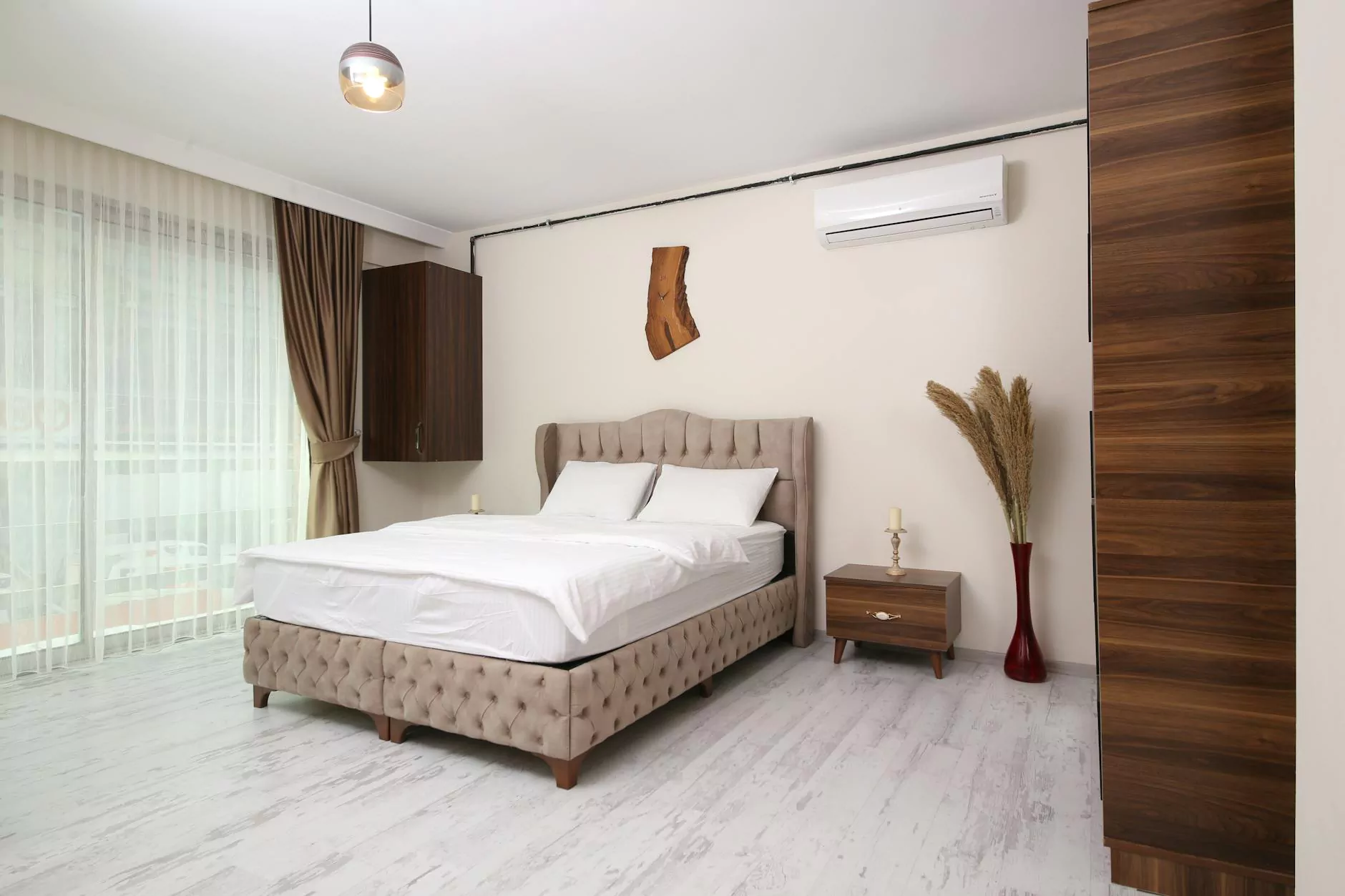
The Allure of Italian Furniture: A Comprehensive Guide

Italian furniture encapsulates elegance, style, and fine craftsmanship. This rich tradition blends art and function, making Italian furnishings a popular choice for homeowners and designers alike. In this extensive guide, we will explore everything associated with Italian furniture, from historical roots to contemporary trends, ensuring you have in-depth knowledge whether you're looking to furnish your living space or simply appreciate exquisite design.
1. The History of Italian Furniture
The legacy of Italian furniture can be traced back to the Renaissance, a time when art and culture flourished in Italy. This era marked the beginning of a design philosophy that combined functionality with intricate aesthetic appeal.
During the Renaissance, furniture became more than just functional; it transformed into a canvas for artistic expression. Great craftsmen like Giorgio Vasari began incorporating elaborate carvings, rich fabrics, and polychrome finishes, setting the stage for future generations of furniture makers.
Influences Over the Centuries
Throughout the centuries, Italian furniture has been influenced by various cultural shifts, including the Baroque, Rococo, and Neoclassical movements. Each period added new layers of richness and complexity to design, paving the way for modern styles.
2. Characteristics of Italian Furniture
What sets Italian furniture apart? Here are some distinguishing characteristics:
- Quality Craftsmanship: Renowned for meticulous attention to detail, Italian artisans utilize premium materials like solid wood, leather, and marble.
- Innovative Design: Italian furniture often merges form and function, featuring sleek lines and ergonomic designs while maintaining aesthetic allure.
- Rich Materials: Expect to see exquisite fabrics, luxurious finishes, and a variety of textures, from glossy varnish to soft upholstery.
- Versatility: Italian furniture effortlessly complements various design styles, ranging from traditional to ultra-modern.
3. Popular Styles of Italian Furniture
The world of Italian furniture is incredibly diverse. Here are some popular styles:
Mid-Century Modern
Characterized by clean lines and organic forms, Mid-Century Modern Italian furniture focuses on simplicity and functionality. Designers like Gio Ponti and Franco Albini pioneered this style, creating pieces that remain timeless.
Classic Italian
Classic Italian furniture is synonymous with opulence. These pieces often feature intricate carvings, gilding, and rich, luxurious fabrics. Think grand dining tables, ornate chairs, and sumptuous sofas that reflect a noble lineage.
Contemporary Italian
Contemporary styles focus on minimalism and innovation. Leading designers like Armani Casa and Roche Bobois blend cutting-edge materials with bold forms, making each piece a statement in modern living.
4. The Benefits of Choosing Italian Furniture
Investing in Italian furniture provides various benefits, which include:
- Timelessness: The classic styles and superior quality of Italian furniture endure trends and fads, ensuring that your investment remains stylish for decades.
- Increased Home Value: High-quality furniture can significantly enhance your home’s value, attracting potential buyers looking for sophistication and style.
- Sustainability: Many Italian furniture makers prioritize sustainable practices, using renewable resources and methods that minimize environmental impact.
- Customization Options: Italian furniture often comes with a variety of customization options, enabling you to match pieces perfectly to your home decor.
5. How to Incorporate Italian Furniture into Your Space
Incorporating Italian furniture into your home doesn't have to be overwhelming. Here are some tips on how to seamlessly add these elegant pieces into your decor:
Choose a Focal Point
Start with a statement piece such as a beautifully crafted dining table or a striking sofa. This focal point will anchor your room and set the tone for the rest of the decor.
Mix and Match
While Italian furniture is exquisite on its own, it can also blend beautifully with other styles. Don’t hesitate to mix modern and traditional pieces for a more eclectic look.
Add Accents
Add throw pillows, rugs, or artwork that complements the colors and styles of your Italian furniture. This layering enhances the overall ambiance of your space.
6. Where to Buy Authentic Italian Furniture
Finding authentic Italian furniture can be an adventure in itself. Here’s where to look:
- Specialty Retailers: Look for furniture stores that specialize in imported designs from Italy. These retailers usually offer a curated selection of high-quality pieces.
- Online Marketplaces: Websites such as iqmatics.com can provide a range of options, allowing you to explore different collections from the comfort of your home.
- Furniture Auctions: High-end furniture auctions often feature unique Italian pieces that aren’t available in typical retail settings, offering an opportunity to acquire one-of-a-kind items.
- Local Artisans: Support local craftsmen who create pieces inspired by the Italian style, offering a unique twist that combines traditional methods with modern sensibilities.
7. Maintenance Tips for Your Italian Furniture
To keep your Italian furniture looking its best, follow these maintenance tips:
- Regular Dusting: Use a soft, dry cloth to dust surfaces regularly. Microfiber cloths are great for trapping dust without scratching finishes.
- Moisture Control: Avoid placing furniture in direct sunlight or damp areas to prevent warping and fading.
- Furniture Polish: Use high-quality furniture polish on wooden surfaces to maintain a rich finish, nourishing the wood and enhancing its color.
- Professional Cleaning: For upholstery and leather, consider professional cleaning services to maintain their original luster and hygiene.
8. The Future of Italian Furniture
The future of Italian furniture looks promising as designers continue to innovate while honoring traditional craftsmanship. A growing trend is the incorporation of technology into design, creating smart furniture that enhances functionality while preserving the aesthetic appeal.
Additionally, sustainability will remain a key focus. More manufacturers are embracing eco-friendly materials and processes, aligning with a global push towards responsible consumption.
Conclusion
In conclusion, Italian furniture is more than just decor; it's a statement of sophistication, history, and quality. Its allure lies not only in its beauty but also in the craftsmanship and tradition that each piece embodies. Whether you choose a contemporary design or an ornate classic, you are investing in a legacy that enhances your living space and offers lasting value. Discover your perfect piece today and let the elegance of Italian furniture transform your home into a timeless sanctuary.