The Thriving Business of Rooster Fighting: A Comprehensive Guide
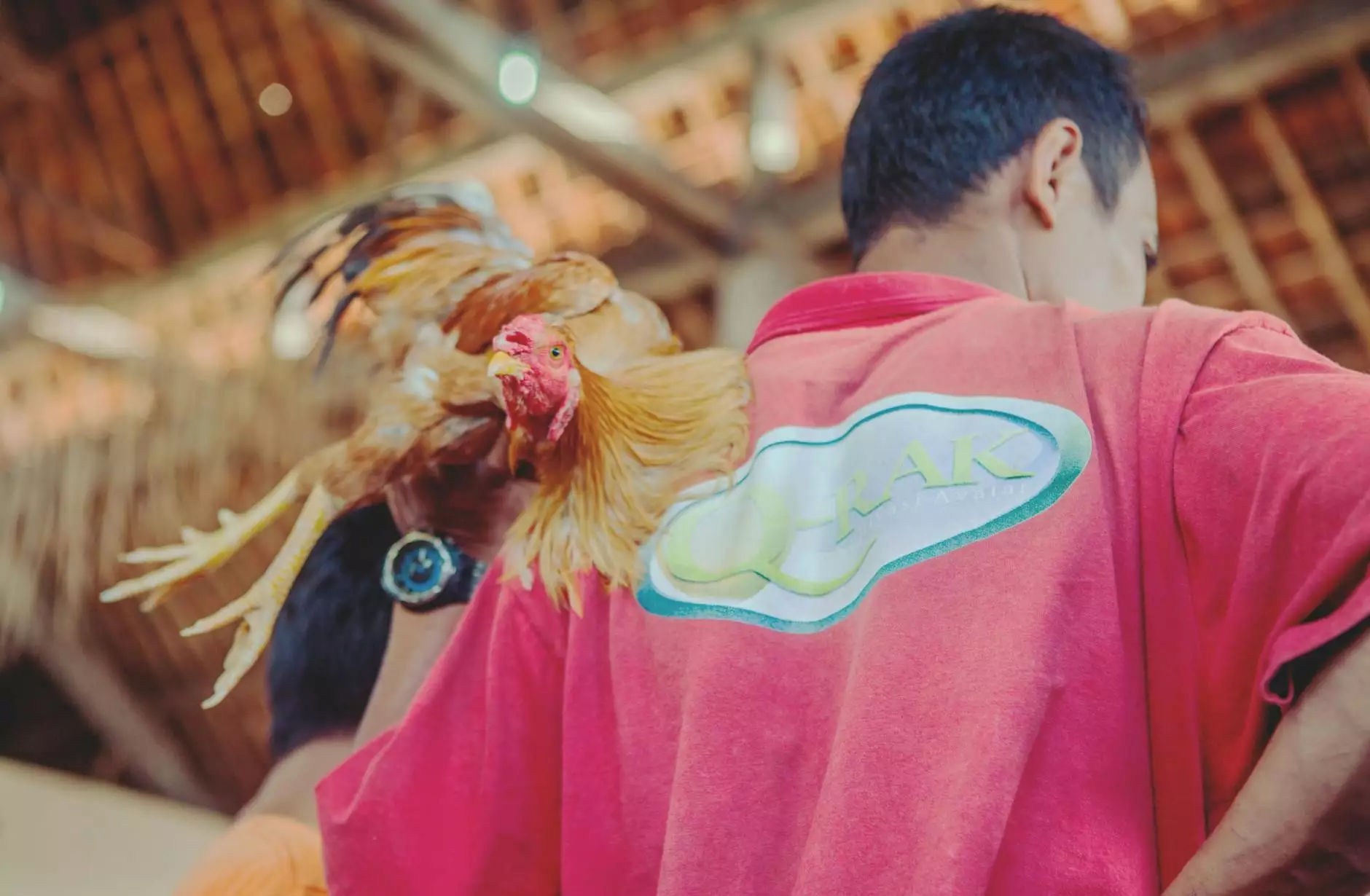
In the vibrant tradition of rooster fighting, enthusiasts have cultivated a unique ecosystem that comprises not only the birds themselves but also a multifaceted industry surrounding sports betting, breeding, and community engagement. Understanding the intricacies of this business can provide valuable insights for those wishing to delve deeper into this captivating realm. This article will explore the breed of rooster fighting, strategies for success in sports betting, and the overall impact of this industry on the modern economy.
Understanding Rooster Fighting
At its core, rooster fighting, also known as sabong, is a spirited competition where two roosters, often specially bred for their combat prowess, face off in a confined arena. This age-old practice, deeply rooted in various cultures, primarily serves as a source of entertainment and, for many, a way to engage in betting. The roosters, carefully bred for fighting, exhibit a combination of agility, strength, and temperament, all crucial for success in the ring.
The Breed of Rooster Fighting: Unveiling the Champions
Focusing on the breed of rooster fighting offers stunning insights into what makes these avian athletes exceptional. Various breeds have been developed and adapted over generations, each with unique characteristics that contribute to their fighting capabilities.
Popular Breeds in Rooster Fighting
- Aseel: Known for their muscular build and unmatched courage, Aseel roosters originate from India and are renowned for their resilience in the fighting arena.
- Oriental Gamefowl: This breed encompasses several types, including Thai and Japanese birds, admired for their quick reflexes and strategic fighting styles.
- American Game: A popular breed among cockfighters in the U.S., American Gamefowl are known for their aggressive nature and competitive spirit.
- Shamo: Often characterized by their large size and assertive demeanor, Shamo roosters are formidable opponents in the ring.
Breeding Techniques and Practices
The success of any breed of rooster fighting relies heavily on breeding practices. Breeders often employ selective breeding methods to ensure that only the strongest and most agile birds are chosen for competition. Key considerations in breeding include:
Selection Criteria
When selecting roosters for breeding, breeders look for:
- Physical Attributes: Size, strength, and feather quality are vital.
- Temperament: Aggression and fighting spirit can be inherited traits.
- Genetic History: A strong lineage of successful fighters can increase the chances of producing top competitors.
Raising Young Roosters
The care of young roosters, or chicks, is critical. This involves providing a conducive environment that promotes healthy growth through proper nutrition, space, and socialization to prepare them for their future roles as fighters.
The Economic Impact of Rooster Fighting
The business of rooster fighting generates substantial economic activity. From breeding farms to betting platforms, the interconnected industries surrounding sabong create a dynamic marketplace.
Key Economic Aspects
Breeding Farms
Breeding farms are foundational in the rooster fighting industry. These establishments focus on raising and training roosters, serving as suppliers to fighters and betting enthusiasts. Some profitable aspects include:
- Producing high-quality fighting birds.
- Providing training and resources for rookies in the sport.
- Hosting events that attract betting opportunities.
Betting Platforms
The rise of online betting has transformed the way enthusiasts engage with rooster fighting. Websites like sabong-international-online.com allow fans to place wagers on fights in real-time. The economic benefits of these platforms include:
- Accessibility for a broader audience who can participate from anywhere.
- Increased revenue for events through online ticketing and betting.
- A vibrant community that fosters competition and engagement.
The Social and Cultural Significance of Rooster Fighting
Beyond the economics, rooster fighting is steeped in cultural history. In many regions, it represents tradition and community bonding.
Cultural Events and Festivals
Many cultures integrate rooster fighting into their festivals, celebrating heritage while providing entertainment. These events draw crowds, making them significant social gatherings that can bolster local economies.
Strategies for Successful Betting on Rooster Fights
For those engaging in sports betting, understanding the nuances of rooster fighting is crucial to making informed bets. Here are some strategies to enhance your chances:
Research and Knowledge Gathering
Before placing bets, it's essential to:
- Study the Breeds: Understanding the strengths and weaknesses of various breeds can inform betting choices.
- Analyze Past Performances: Trends in past fights can provide insight into future outcomes.
- Fighter Credentials: Knowledge of the fighters' training and experience is invaluable.
Choosing the Right Betting Platform
Selecting a reputable and user-friendly online platform, such as sabong-international-online.com, can enhance the betting experience. Look for features like:
- Live betting options.
- Competitive odds.
- User testimonials and reviews.
The Future of Rooster Fighting as a Business
The future of the breed of rooster fighting and its associated industries looks promising. As online platforms continue to innovate and expand, more enthusiasts are likely to join in the excitement of this time-honored sport.
Potential Growth Areas
As the popularity of rooster fighting grows, several areas are poised for expansion:
- Technological Integration: Using technology for training, breeding, and betting can innovate the sport.
- International Competitions: Hosting more international events can attract global audiences and participants.
- Merchandising Opportunities: Developing brands around rooster fighting can create additional revenue streams.
Conclusion
In conclusion, the breed of rooster fighting encompasses a rich tapestry of traditions, economic opportunities, and cultural significance. By understanding the breeding, practices, and betting strategies involved, enthusiasts can not only appreciate this intriguing sport but also engage with it in a way that supports its vibrant community and economy. Whether as a spectator, a bettor, or an aficionado, entering the world of rooster fighting promises excitement and potential rewards.
As we move forward, the growth and evolution of this industry will be fascinating to watch, cementing its place in the landscape of sports betting and beyond.