Building a Peacock Aviary: Your Comprehensive Guide
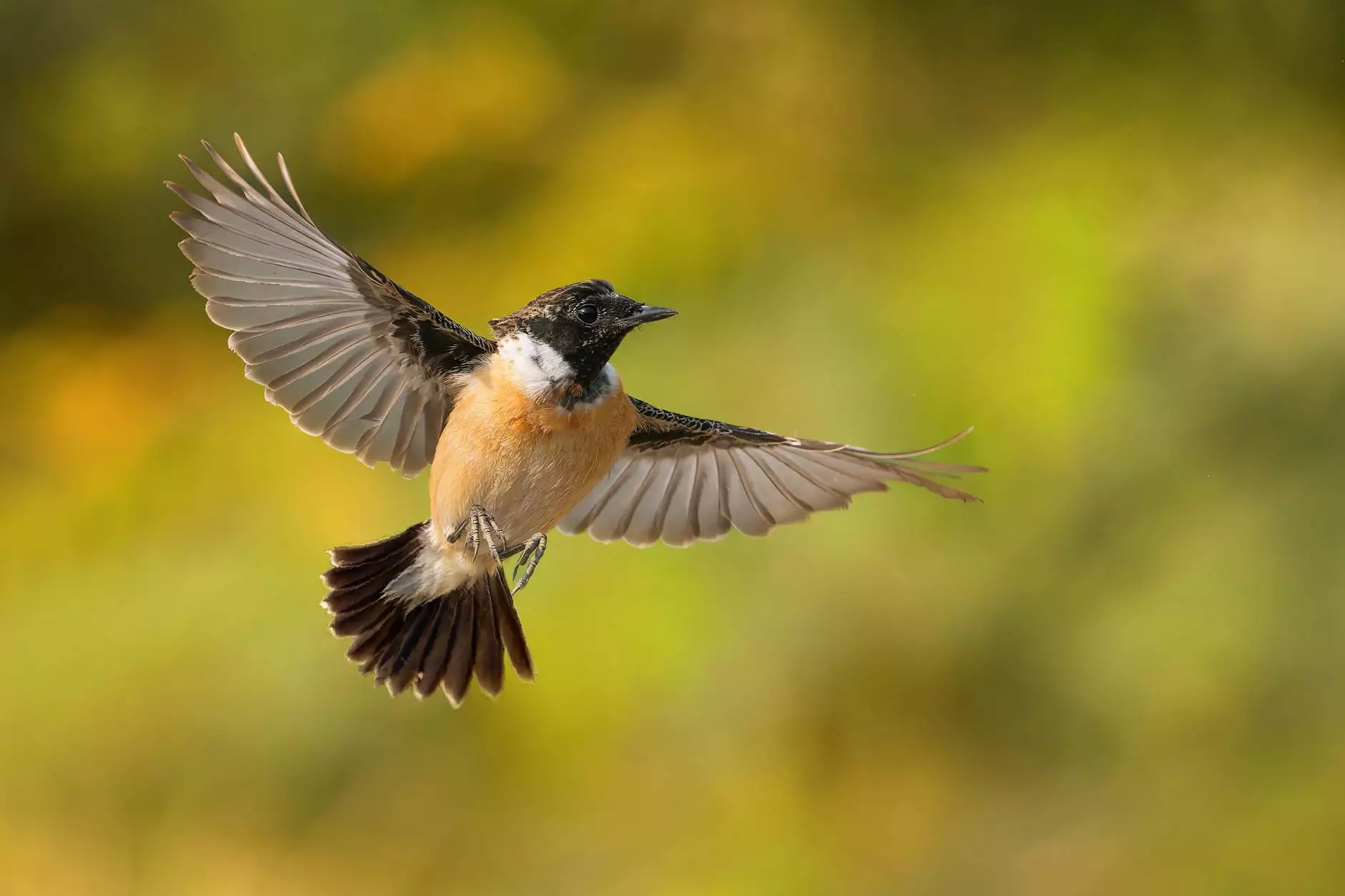
Creating a suitable environment for your peacocks is essential for their well-being and happiness. Establishing an aviary that caters to their specific needs not only enhances their living conditions but also allows you to admire their beauty in a structured setting. This article provides a detailed guide on building a peacock aviary, discussing design considerations, essential materials, and proper maintenance techniques.
Why You Should Build a Peacock Aviary
Peacocks are stunning birds known for their vibrant plumage and elaborate courtship displays. They thrive in spacious, well-structured environments that mimic their natural habitat. Here are some key reasons to consider when building a peacock aviary:
- Enhanced Living Conditions: Aviaries provide ample space for peacocks to roam and exercise.
- Protection: A well-constructed aviary protects your birds from predators while keeping them safe from harsh weather conditions.
- Breeding Opportunities: Aviaries can facilitate breeding, ensuring a sustainable population of these beautiful birds.
- Educational Experience: Building an aviary can be a rewarding project that also allows you to learn more about avian care and behavior.
Essential Steps for Building a Peacock Aviary
Creating an effective peacock aviary requires careful planning and attention to detail. Below, we outline the essential steps involved in building a peacock aviary.
1. Choose the Optimal Location
Selecting the right location for your aviary is crucial. Here are some factors to keep in mind:
- Sunlight: Peacocks enjoy sunshine but require shaded areas to escape the heat during warmer months.
- Terrain: A level area is preferable to avoid flooding, while soft ground (like grass) is gentle on their feet.
- Accessibility: Ensure that the aviary is easily accessible for feeding, cleaning, and observation.
2. Design Considerations
The design of your aviary should be spacious and secure. Here are some important features to include:
- Size: Aim for a minimum size of 200 square feet for a couple of peacocks to ensure they have sufficient room to move around.
- Height: Include at least 6–8 feet in height so that peacocks can display their magnificent plumage and fly.
- Materials: Use strong, weather-resistant materials such as galvanized steel for the frame and coated metal mesh for the walls.
3. Constructing the Aviary Frame
The frame serves as the foundation of the aviary. Here’s how to construct it:
- Choose Sturdy Posts: Use sturdy posts, such as treated wood or metal piping, to create a solid vertical structure.
- Connect the Frame: Use horizontal beams to connect the vertical posts, creating a secure framework.
- Secure the Base: Ensure your aviary has a secure base to prevent predators from digging under. Consider burying a few inches of mesh fencing into the ground or using concrete blocks.
Fencing and Security
Ensuring the safety of your peacocks is paramount when building a peacock aviary. Here are some recommendations for fencing and security:
- Galvanized Wire Mesh: Use strong, corrosion-resistant wire mesh to keep your birds safe from predators.
- Height & Depth: Ensure the aviary is tall enough (at least 6 feet) to prevent escapes and deep enough underground to deter digging predators.
- Lockable Doors: Incorporate lockable access doors to maintain control of entry and exit points.
Creating a Comfortable Environment
Once the structure of your aviary is in place, the next step is to create a comfortable environment for your peacocks. Follow these guidelines:
1. Perches and Nesting Areas
Adding natural perches and nesting areas is vital for your peacocks’ comfort:
- Natural Materials: Use branches and logs to create natural perches. Ensure they are sturdy and placed at varying heights.
- Nesting Boxes: Provide nesting boxes lined with straw or hay for breeding purposes. Make them easily accessible for cleaning.
2. Water and Feeding Stations
Proper access to food and water is essential:
- Water Troughs: Install shallow water troughs for drinking and ensure they are cleaned regularly.
- Feeding Platforms: Use feeding trays placed at a comfortable height to make feeding time easier.
3. Enrichment and Decoration
To stimulate your peacocks' natural behaviors, consider adding enrichment features:
- Plants & Shrubs: Incorporate non-toxic plants and shrubs to create a natural habitat.
- Hiding Spots: Provide hiding spots using logs or bushes for peacocks to retreat when they feel threatened.
- Mirror Installations: Adding mirrors can intrigue peacocks as they enjoy observing their reflections.
Maintenance of Your Peacock Aviary
Proper maintenance is crucial for the health and happiness of your peacocks. Here are some tips:
- Regular Cleaning: Clean the aviary regularly to prevent disease. Remove any waste, old food, and debris.
- Inspect for Damage: Routinely check for any damage to the structure or fencing that might compromise security.
- Feed and Water Management: Ensure that the feeding and watering stations are consistently stocked and cleaned.
Legal and Ethical Considerations
Before you build a peacock aviary, it’s important to consider the legal aspects:
- Permits: Check with local authorities to ensure that you don’t need any permits for keeping peacocks.
- Animal Welfare: Adhere to ethical practices ensuring your birds’ well-being and consider consulting a veterinarian.
Conclusion
In summary, building a peacock aviary requires careful planning, a commitment to safety, and an understanding of your birds’ needs. By following the steps laid out in this guide, you can create a beautiful sanctuary that provides an enjoyable living environment for your peacocks and a stunning showcase of their natural beauty. Investing time and resources into your aviary not only enriches the lives of your birds but also offers you a unique and rewarding experience as a caretaker.
With proper construction, maintenance, and attention to detail, your peacock aviary will become a magnificent highlight of your property and a joyful home for your birds.