Royal London Hospital Dental Emergency
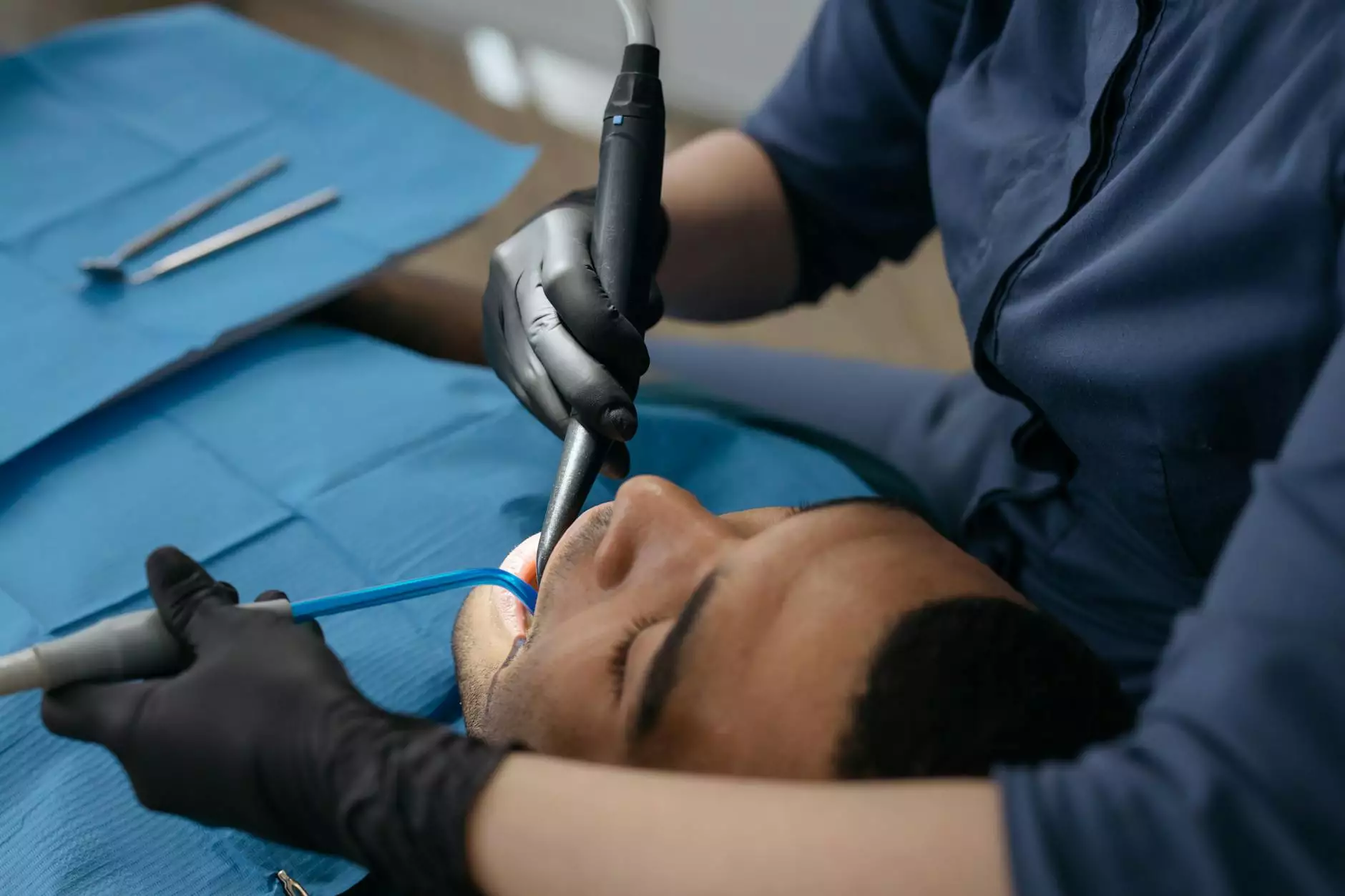
If you find yourself facing a dental emergency, it's crucial to know where to turn for help. The Royal London Hospital Dental Emergency team is here to provide immediate and expert care for a variety of urgent dental issues. This article will delve into what constitutes a dental emergency, the services provided, how to access these services, and tips for effective oral care before and after treatment.
Understanding Dental Emergencies
A dental emergency is any situation where you experience severe pain, bleeding, or trauma affecting your mouth, teeth, or gums. Recognizing these conditions early is vital for preventing further complications. Here are some common dental emergencies:
- Severe Toothache: Unbearable pain, often indicating infection or decay.
- Chipped or Broken Teeth: Damage resulting from trauma or biting down on hard substances.
- Knocked-Out Tooth: Avulsed teeth require immediate care to increase chances of reattachment.
- Loose or Dislodged Teeth: Often caused by injury, requiring swift action for stabilization.
- Abscesses or Swelling: Pockets of infection that can lead to serious complications.
- Soft Tissue Injuries: Cuts or lacerations in the gums, cheeks, or tongue.
Services Offered at the Royal London Hospital Dental Emergency Unit
The Royal London Hospital is equipped with a dedicated dental emergency unit that specializes in treating urgent dental concerns. You can expect a range of services designed to address and manage your dental emergencies, including:
1. Comprehensive Assessment and Diagnosis
Upon arrival, patients will undergo a thorough examination to determine the nature and extent of the dental emergency. Advanced diagnostic tools may be employed, including:
- X-rays: To assess the condition of teeth and surrounding structures.
- Clinical Examination: Direct evaluation by a qualified dentist.
2. Immediate Pain Relief
Managing pain is a top priority when attending to dental emergencies. The Royal London Hospital Dental Emergency team will ensure patients receive effective analgesics tailored to their needs.
3. Treatment Options
Depending on the diagnosis, several treatment options are available:
- Dental Extractions: Safe removal of damaged or infected teeth.
- Root Canals: Treatment of infected tooth pulps to save natural teeth.
- Repair Services: Including fillings and crowns for chipped or broken teeth.
- Antibiotic Prescriptions: For managing infections associated with abscesses.
How to Access Dental Emergency Services
If you find yourself in need of urgent dental care, here’s how to access the services at the Royal London Hospital:
- Initial Contact: Call the hospital’s dental emergency hotline or visit the emergency department directly.
- Prepare Required Information: Have your medical history and information about the dental emergency ready for the staff.
- Follow Instructions: The hospital will guide you through the process based on your condition.
Before You Visit: Tips for Managing Dental Emergencies
While you are awaiting treatment at the Royal London Hospital, here are some tips to manage your situation effectively:
- Control Bleeding: Apply gentle pressure to any bleeding area using clean gauze.
- Cold Compress: Use ice wrapped in cloth to reduce swelling or pain.
- Over-the-Counter Pain Relief: Ibuprofen or acetaminophen can help alleviate discomfort temporarily.
- Avoid Certain Foods: Stay away from hard, chewy, or hot foods that may worsen your condition.
Post-Treatment Care and Follow-Up
Once you've received treatment at the Royal London Hospital Dental Emergency unit, following proper aftercare is essential to ensure a swift recovery:
1. Follow Instructions from Your Dentist
Your dentist will provide specific aftercare guidelines that should be adhered to meticulously. This may include medication instructions, dietary modifications, and protocols for oral hygiene.
2. Manage Pain and Discomfort
Continue taking prescribed or over-the-counter pain relief as directed. Monitor any pain levels and report unusual symptoms to your dentist.
3. Schedule Follow-Up Appointments
It’s crucial to attend follow-up appointments to ensure healing is proceeding as expected. These visits will allow for the assessment of your oral health and any necessary adjustments to your treatment plan.
The Importance of Preventive Care
While dental emergencies can occur unexpectedly, engaging in preventive care can significantly mitigate risks. Here are some strategies for maintaining optimal dental health:
- Regular Dental Check-Ups: Consistent visits to your dentist can help catch potential issues before they become emergencies.
- Good Oral Hygiene: Brush and floss daily to keep your teeth and gums healthy.
- Limit Sugar Intake: Reduce sugary foods and beverages that can lead to decay.
- Protective Gear: If you play contact sports, consider wearing a mouthguard.
Conclusion
Experiencing a dental emergency can be distressing, but knowing where to go and what to expect can alleviate some of the stress associated with urgent dental issues. The Royal London Hospital Dental Emergency team is dedicated to providing prompt and effective care, ensuring your dental health is prioritized. By understanding what constitutes a dental emergency, accessing immediate services, and practicing good preventive care, you can maintain your oral health and minimize risks in the future.
For more information about our services or to schedule an appointment, feel free to visit edwardbyrne.com.