CT Thorax Screening: An In-Depth Guide to Early Detection and Health Benefits

In recent years, the field of medical diagnostics has advanced at an astonishing pace, and among the numerous tools available, CT thorax screening has emerged as a critical method for early detection of various health issues. It is essential for individuals seeking optimal health and wellness to understand the significance of this cutting-edge technology. In this article, we will delve into what CT thorax screening entails, its benefits, procedures, and why it is an indispensable part of modern healthcare.
What is CT Thorax Screening?
CT thorax screening, or computed tomography of the thorax, is a sophisticated imaging technique that provides detailed and cross-sectional views of the chest, including the lungs, heart, and surrounding structures. Unlike traditional X-rays, which offer a two-dimensional view, CT scans utilize advanced technology to create a three-dimensional image, allowing for a more comprehensive evaluation of the thoracic area.
Understanding the Purpose of CT Thorax Screening
CT thorax screening is primarily used to detect a variety of conditions, including:
- Lung Cancer: Early detection of lung nodules or tumors, facilitating timely treatment.
- Chronic Obstructive Pulmonary Disease (COPD): Identification of emphysema and other chronic lung conditions.
- Pulmonary Embolism: Assessment for blockages in the pulmonary arteries.
- Pneumonia and Other Infections: Visualizing areas of infection and assessing their severity.
- Interstitial Lung Disease: Evaluating lung tissue for scarring and inflammation.
Benefits of CT Thorax Screening
CT thorax screening offers numerous advantages, making it a preferred choice for both patients and healthcare providers. Here are some of the key benefits:
1. Enhanced Detection Rates
The high-resolution images produced by CT scans lead to improved detection rates for various diseases. For instance, studies have shown that low-dose CT scans can detect lung cancer at much earlier stages compared to conventional X-rays, significantly improving treatment outcomes.
2. Non-invasive Procedure
CT thorax screening is a non-invasive procedure, meaning no surgical interventions are needed. The process is typically quick and painless, allowing patients to return to their daily activities shortly after the scan.
3. Detailed Imaging
With its ability to provide three-dimensional images, CT thorax screening gives doctors a clearer view of the chest structures. This level of detail is crucial for accurate diagnosis and treatment planning.
4. Monitoring of Existing Conditions
For patients with known lung diseases or those who have previously undergone treatment for lung-related issues, CT thorax screening can help monitor the progression of the disease, ensuring timely interventions if necessary.
The CT Thorax Screening Process
Understanding the process of CT thorax screening can alleviate concerns and help patients prepare adequately. Here’s a step-by-step breakdown of what to expect:
1. Pre-Scan Preparations
Prior to the screening, patients may be advised to:
- Avoid eating or drinking for a few hours before the scan.
- Inform the physician of any allergies, especially to contrast materials.
- Discuss any medications being taken, including blood thinners.
2. The Scanning Procedure
During the scan:
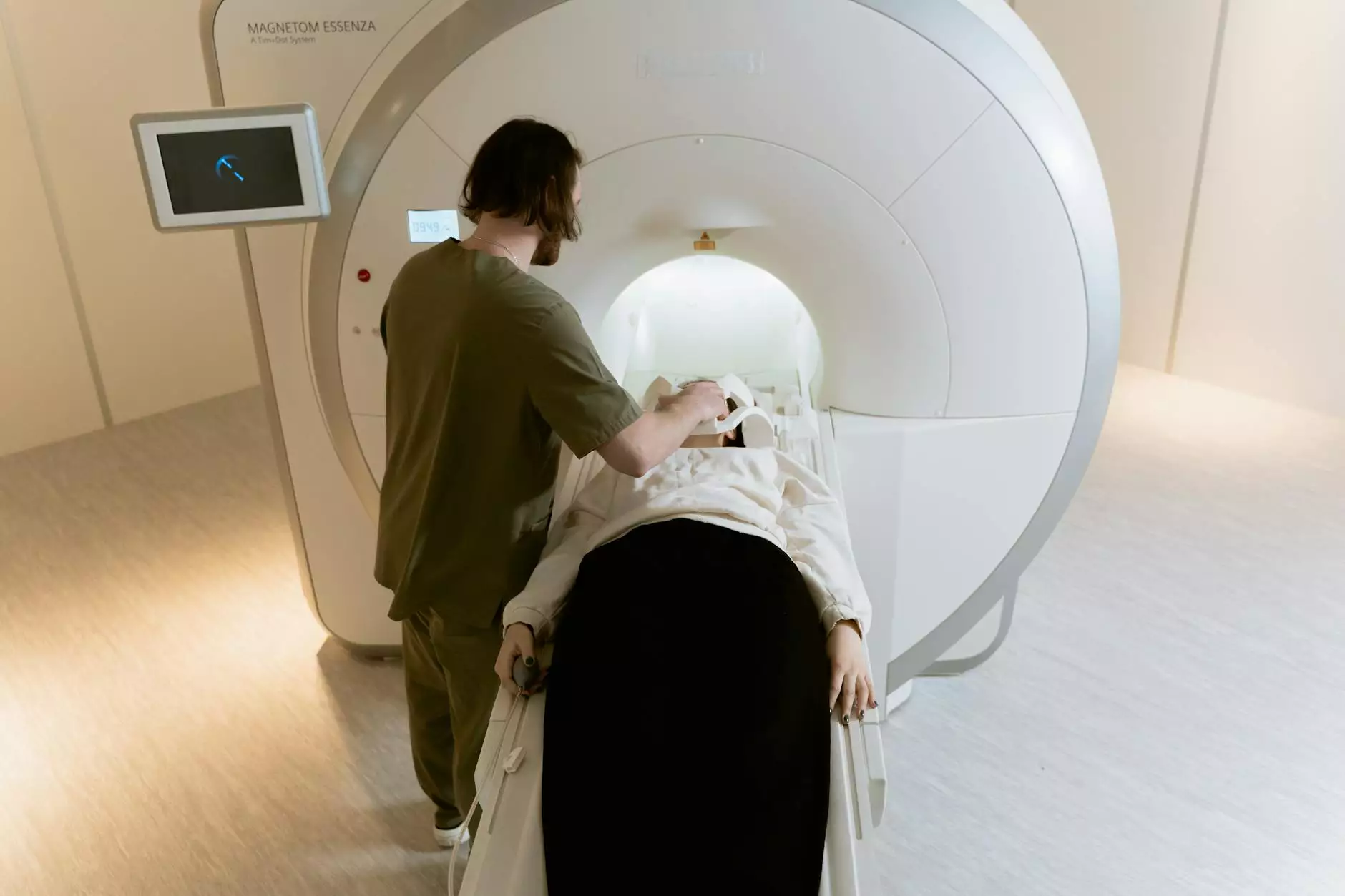
- The patient will lie on a narrow examination table that slides into the CT scanner.
- The technician will position the patient to ensure optimal imaging of the thoracic area.
- Patients may be asked to hold their breath for a few seconds as the machine takes images.
- In some cases, an intravenous (IV) contrast agent may be administered to enhance visibility of certain structures.
3. Post-Scan Evaluation
After the procedure, patients can resume their normal activities immediately. Results are usually available within a few days, and the healthcare provider will discuss the findings and any recommended next steps.
Who Should Consider CT Thorax Screening?
CT thorax screening is particularly beneficial for specific groups of individuals:
- Smokers and Former Smokers: Those with a history of smoking may be at increased risk for lung diseases and should consider regular screenings.
- High-Risk Individuals: Anyone with a family history of lung cancer or other respiratory conditions should consult their doctor about screening options.
- Patients with Symptoms: Individuals exhibiting symptoms such as persistent cough, unexplained weight loss, or shortness of breath should not hesitate to seek evaluation.
Potential Risks and Considerations
While CT thorax screenings are generally safe, there are some considerations to be aware of:
- Radiation Exposure: CT scans involve exposure to ionizing radiation, although the amount is typically low and considered safe for most patients.
- False Positives: Sometimes, screenings may yield false-positive results, leading to unnecessary anxiety or additional testing.
- Cost Factors: Depending on the healthcare provider and insurance coverage, costs can vary significantly.
Conclusion: The Importance of CT Thorax Screening
In conclusion, CT thorax screening is a vital tool in modern medicine that plays a pivotal role in the early detection of lung diseases, significantly improving patient outcomes. With its non-invasive nature and detailed imaging capabilities, it empowers healthcare providers to make informed decisions regarding diagnosis and treatment. For individuals at risk, or those experiencing symptoms, consulting with a healthcare provider about the benefits of CT thorax screening could be a life-changing decision.
Take charge of your health today: If you believe you may benefit from CT thorax screening or have any health concerns regarding your respiratory system, reach out to the specialists at Neumark Surgery for a comprehensive evaluation and personalized care.