Understanding Paper Cutting Machine Blade Prices: A Comprehensive Guide
When it comes to the printing and packaging industry, paper cutting machines play a crucial role. These machines, equipped with high-quality blades, ensure precision and efficiency in cutting various materials. But how do you determine the cost of these essential tools? In this article, we will delve deep into the paper cutting machine blade price and the factors that influence it.
1. What is a Paper Cutting Machine Blade?
A paper cutting machine blade is an essential component of any cutting machine used in the printing and packaging sectors. These blades are engineered to deliver high accuracy and durability, making them pivotal for achieving clean cuts on sheets of paper, cardboard, and other materials.
The blade's design can vary significantly depending on the machine type it is intended for, with different specifications to meet various cutting needs. Understanding these differences is crucial, especially when considering the price of these blades.
2. Factors Influencing Paper Cutting Machine Blade Prices
The price of paper cutting machine blades can fluctuate due to several factors. Understanding these variables can help businesses make informed purchasing decisions.
2.1. Material Quality
The quality of the materials used to manufacture blades directly affects their performance and longevity. Common materials include:
- High-Speed Steel (HSS): Known for its durability and ability to retain a sharp edge, HSS is often used in professional-grade machines.
- Carbide: Typically more expensive than HSS, carbide blades offer superior hardness and wear resistance, making them ideal for high-volume cutting.
- Stainless Steel: While not as common, stainless steel blades are utilized for their corrosion resistance in humid or wet environments.
2.2. Blade Size and Design
The dimensions and design of the blade also play a significant role in determining its price. Larger blades generally cost more due to the increased material and manufacturing complexity involved in their production. Additionally, specialized blade designs, such as those with serrated edges or unique shapes, may also come at a premium.
2.3. Brand Reputation
Established brands that are known for their high-quality blades often charge more due to their reputation and the trust they’ve built over the years. Consumers may find cheaper alternatives, but they should weigh the long-term savings against potential performance issues that can arise from lower-quality blades.
2.4. Manufacturing Processes
The manufacturing process can significantly impact the overall cost of blades. For instance:
- Precision Manufacturing: Advanced manufacturing techniques yield higher quality blades but may increase costs.
- Handcrafted Blades: These can be very expensive, reflecting the craftsmanship involved.
2.5. Purchasing in Bulk
Many suppliers offer discounts for bulk purchases. By ordering paper cutting machine blades in larger quantities, businesses can reduce their per-unit cost significantly, thus maximizing their investment.
3. Pricing Trends in the Industry
To navigate the complexities of blade pricing, it is essential to observe current industry trends. Generally, prices for high-quality paper cutting machine blades range between $50 to $300, depending on the factors discussed earlier. Here’s a breakdown:
- Standard HSS Blades: Typically fall in the $50 to $100 range.
- Advanced Carbide Blades: Generally priced between $150 and $300.
- Specialty Blades: Costs can exceed $300, depending on custom specifications.
4. Importance of Knife Sharpening
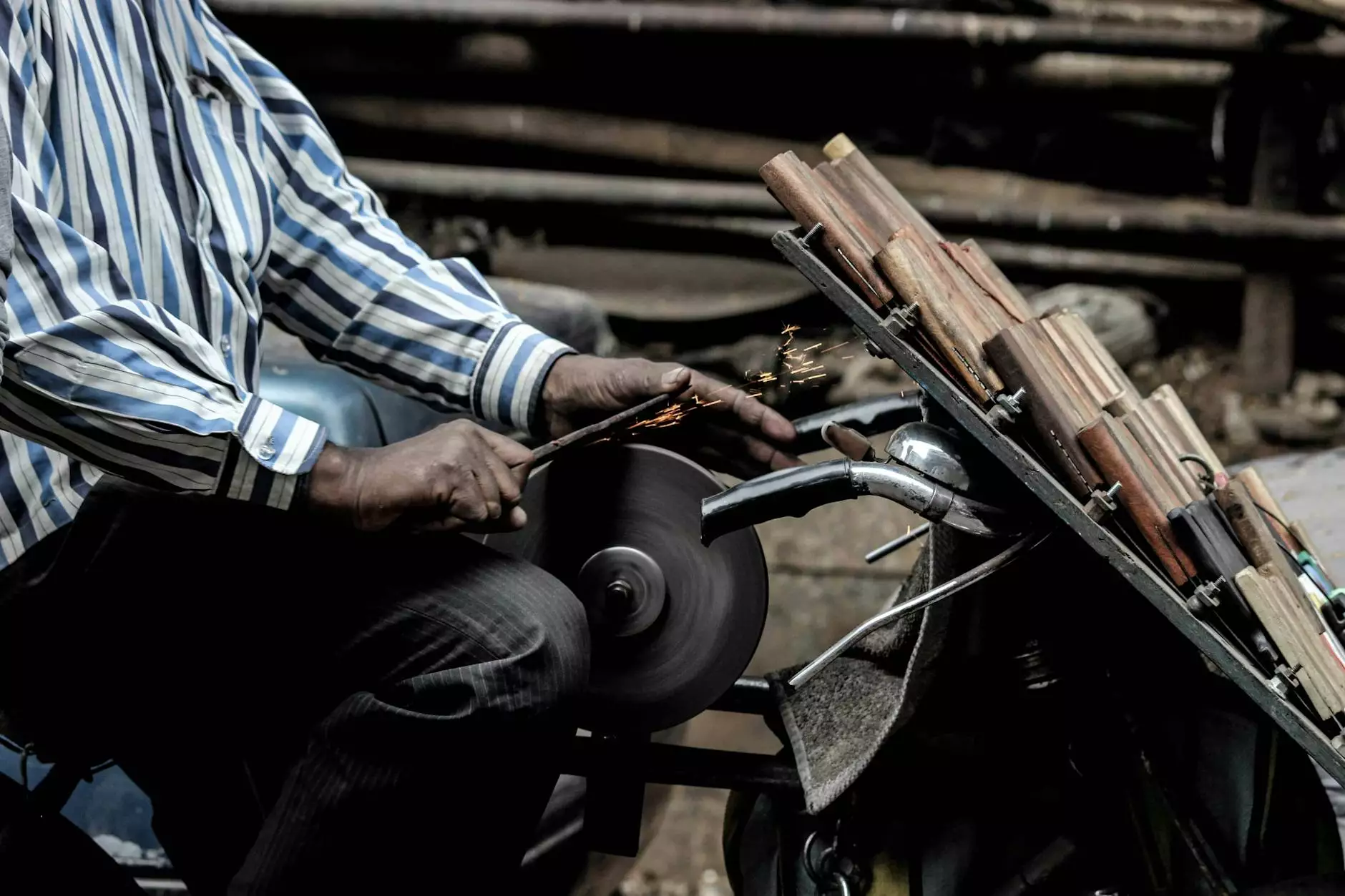
Another key aspect that often influences the effective cost of paper cutting machine blades is knife sharpening. Ongoing maintenance, including sharpening, can extend the life of your blades and improve cutting accuracy. Regular sharpening ensures blades maintain their cutting edge, contributing to efficiency and reducing the need for frequent replacements.
4.1 Benefits of Professional Knife Sharpening
Investing in professional knife sharpening services offers several advantages:
- Extended Blade Lifespan: Proper sharpening can significantly extend the life of your blades.
- Improved Performance: Sharper blades cut more efficiently, which can enhance productivity.
- Cost-Effectiveness: By prolonging the need for new blades, businesses can save money in the long run.
4.2 Finding Quality Sharpening Services
When searching for knife sharpening services, consider the following:
- Experience and Expertise: Look for providers known for their skill with specific types of blades.
- Equipment Used: Modern sharpening tools and techniques can lead to better results.
- Reputation: Seek referrals and read reviews to gauge customer satisfaction.
5. How to Choose the Right Blade for Your Needs
Selecting the ideal blade for a paper cutting machine involves several considerations:
- Material Type: Evaluate the types of materials you will be cutting and choose a blade that can handle it effectively.
- Blade Design: Consider whether a straight or serrated edge is more appropriate for your applications.
- Frequency of Use: For high-frequency use, investing in higher-quality blades may yield better long-term results.
6. Conclusion
The price of paper cutting machine blades is influenced by multiple factors including material quality, design, brand reputation, and maintenance practices like sharpening. By understanding these elements, business owners can make informed decisions that balance cost with quality.
At szblade.com, we offer a variety of high-quality blades suited for all types of paper cutting machines, ensuring you find the perfect match for your needs. Remember, investing in quality blades and professional sharpening services can lead to significant savings and improved performance over time. Explore our products and make the right choice today!