Understanding Freight Shipping: Your Guide to Getting Quotes and More
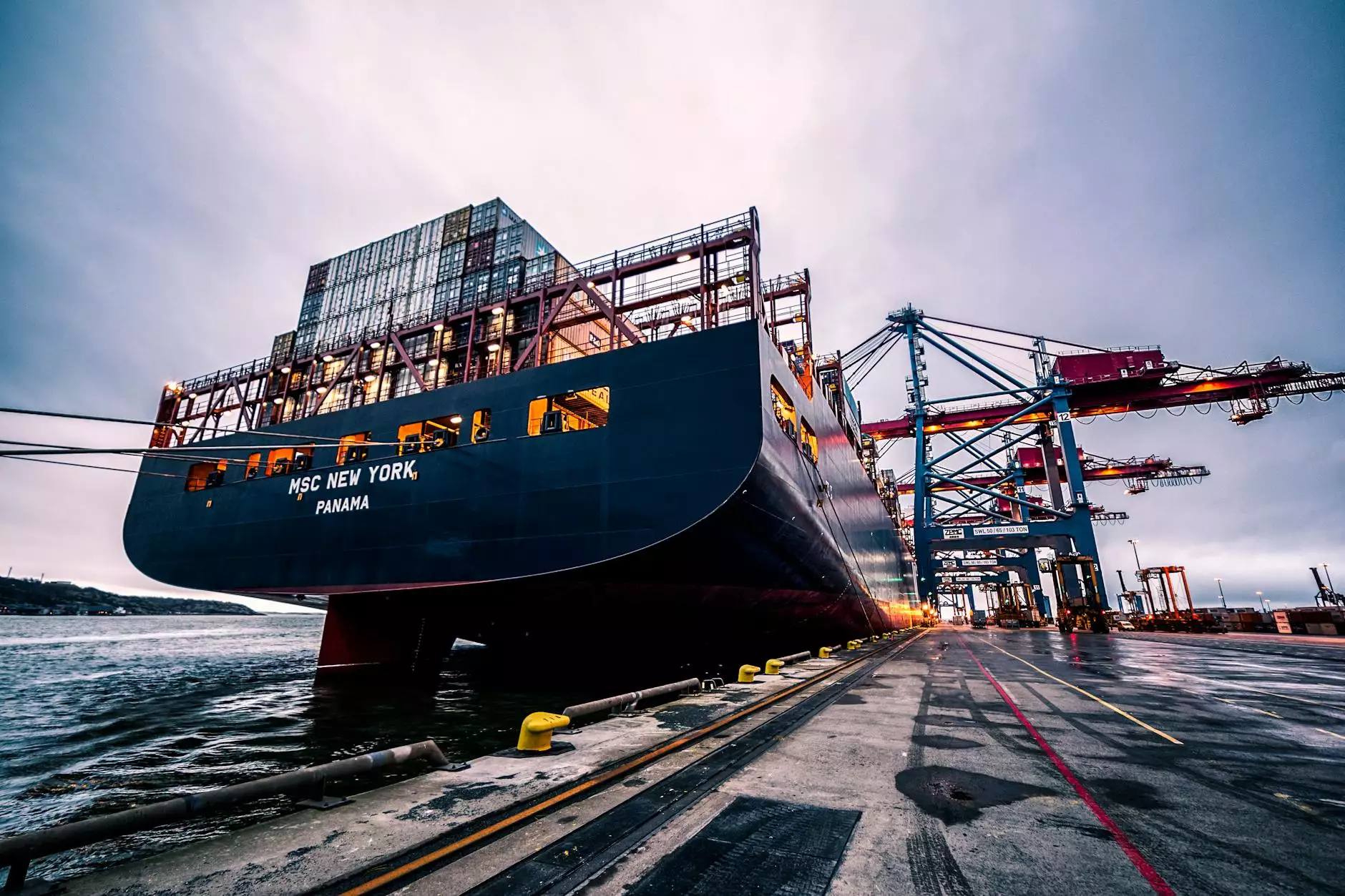
In today's global marketplace, freight shipping is an essential component of any successful business strategy. Whether you're shipping products across town or exporting goods internationally, the efficiency of your shipping process can significantly affect your bottom line. This comprehensive guide is designed to help you understand the intricacies of freight shipping and how to effectively get a freight shipping quote.
What is Freight Shipping?
Freight shipping refers to the process of transporting goods in bulk from one location to another. Unlike mail services which deal with smaller packages, freight shipping involves larger volumes often handled by specialized carriers. It encompasses various modes of transportation including:
- Air Freight: Fast and efficient, perfect for urgent deliveries.
- Ocean Freight: Cost-effective for large shipments, though slower than air.
- Rail Freight: Reliable for long-distance shipping across land.
- Truck Freight: Versatile, allowing for door-to-door delivery.
The Importance of Freight Shipping for Businesses
Understanding and optimizing freight shipping is crucial for any business. Not only does it affect delivery times, but it also impacts cost and customer satisfaction. Here are some key points on why freight shipping matters:
- Cost Efficiency: Choosing the right carrier and shipping method can save your business significant amounts in shipping costs.
- Time Management: Proper shipping strategies reduce delays and improve turnaround times for your customers.
- Customer Satisfaction: Fast and reliable shipping enhances customer loyalty and improves your brand image.
- Competitive Advantage: Efficient shipping can set you apart from competitors who may not prioritize logistics.
How to Get a Freight Shipping Quote
When you're ready to ship, the first step is to get a freight shipping quote. A freight quote provides an estimate of how much it will cost to transport your goods based on various factors. Here’s how you can effectively obtain a quote:
1. Gather Essential Information
Before you contact a freight carrier, collect the following details:
- Type of Goods: Know the nature of your product, including weight, dimensions, and any special handling requirements.
- Pickup and Delivery Locations: Specify where the shipment will be collected from and delivered to.
- Preferred Shipping Method: Determine whether you want to ship by air, ocean, rail, or truck.
- Time Sensitivity: Indicate how quickly you need the goods to arrive.
2. Research Shipping Carriers
Not all carriers provide the same services or pricing, so carrying out thorough research is crucial. Consider factors like:
- Carrier Reputation: Look for reviews or ratings from other users.
- Specialization: Some carriers focus on specific types of shipping (e.g., perishable goods).
- Customer Service: Responsive customer support can be key when problems arise.
3. Use Online Freight Quote Tools
Many freight companies provide online tools that allow you to get a freight shipping quote instantly by filling out a form with the information you gathered in step one. Some recommended platforms include:
- FreightRate.com: Offers comprehensive tools for shipping quotes.
- Freightos: Known for its user-friendly interface and transparent pricing.
- ShipBob: Integrates with e-commerce platforms for streamlined shipping quotes.
4. Compare Quotes and Select the Best Option
Once you receive multiple quotes, compare them not just based on price but also on services offered, delivery times, and insurance options. Cheaper isn’t always better; ensure the carrier meets your specific needs.
Understanding Freight Costs
Several factors affect the overall cost of freight shipping. Here’s a breakdown:
- Weight and Dimensions: Heavier and larger items typically cost more to ship.
- Distance: Longer distances usually incur higher shipping fees.
- Shipping Mode: Air freight is typically more expensive than sea freight.
- Fuel Costs: Fluctuations in fuel prices can impact freight costs significantly.
- Insurance Costs: Extra coverage often adds to the shipping fees but protects your investment.
Best Practices for Efficient Freight Shipping
To enhance your freight shipping process, consider implementing these best practices:
- Plan Ahead: Early planning allows for better pricing and more flexible shipping options.
- Optimize Packaging: Proper packaging reduces damage during transit and can lower costs.
- Negotiate Rates: Many carriers are willing to negotiate prices, especially for repeat business.
- Utilize Technology: Invest in software that helps you manage shipments, track deliveries, and optimize costs.
The Role of Business Consulting in Freight Shipping
Freight shipping can be complex, and sometimes it helps to bring in a business consultant with expertise in logistics. Here’s why:
- Strategic Planning: Consultants can help you devise a long-term shipping strategy that aligns with your business goals.
- Cost Savings: They can identify inefficiencies within your current shipping practices and propose solutions that reduce costs.
- Supplier Relations: Consultants often have relationships with carriers, potentially giving you access to better rates.
- Industry Knowledge: Staying updated with industry trends can give you an advantage in logistics planning.
Vehicle Shipping: Specialized Freight Services
For businesses involved in the automotive industry or those needing to transport vehicles, understanding vehicle shipping is crucial. Key considerations include:
- Types of Vehicle Shipping: Transport methods may include open trailers, enclosed trailers, or flatbed trucks.
- Insurance Needs: Ensure you have adequate insurance coverage for high-value vehicles during transit.
- Timing and Scheduling: Vehicle shipping needs are often time-sensitive, especially during sales or events.
Conclusion: The Future of Freight Shipping
As businesses continue to evolve, so does the freight shipping industry. Emerging technologies, including artificial intelligence and automation, are set to transform logistics and overcome traditional barriers. For businesses looking to optimize their shipping operations, understanding how to effectively get a freight shipping quote and manage logistics is essential for sustaining competitive advantage.
For more information on shipping and logistics solutions tailored for your business needs, visit FreightRate.com. Embrace the future of freight shipping with the right knowledge and strategies!