Revolutionizing Eye Care with Mobile Optometry Equipment
In recent years, the demand for accessible and efficient healthcare services has significantly increased. Among various healthcare sectors, optometry has been at the forefront of embracing changes, particularly through the introduction of mobile optometry equipment. This innovation is not just a trend; it is transforming the way eye care professionals deliver their services, bringing the clinic right to the patients' doorsteps.
The Need for Mobile Optometry
With the rising prevalence of eye disorders globally, there is a pressing need for comprehensive eye care. Factors such as urbanization, an aging population, and lifestyle changes contribute to the surge in demand for eye examinations and vision correction services. Traditional static clinics often struggle to meet this demand, especially in underserved communities. Here’s where mobile optometry equipment steps in.
Benefits of Mobile Optometry
- Increased Accessibility: Mobile optometry units can reach rural and disadvantaged urban areas where access to healthcare is limited.
- Convenience: Patients can receive personalized eye care at home, workplaces, or community centers, reducing the burden of travel.
- Flexible Scheduling: Mobile services can be adjusted to meet the needs of specific populations, offering evening and weekend appointments.
- Comprehensive Care: Equipped with advanced technology, mobile units deliver a wide range of services, from routine eye exams to specialized treatments.
Components of Mobile Optometry Units
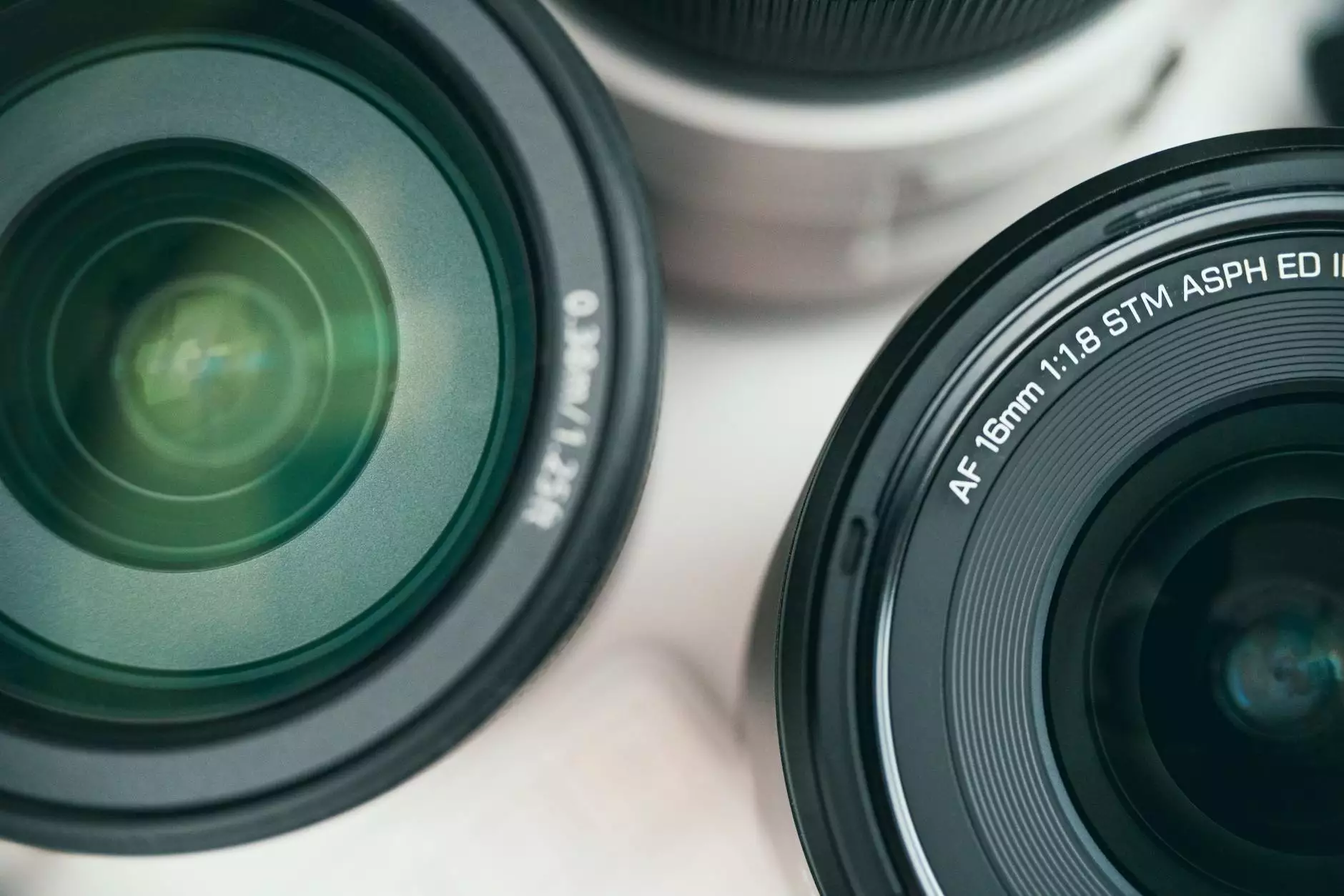
Mobile optometry equipment is designed to provide a full suite of eye care services without the limitations of a fixed location. Typical components include:
1. Advanced Diagnostic Equipment
Mobile units often come equipped with cutting-edge diagnostic tools such as:
- Autorefractors: For quick assessments of refractive errors.
- Ophthalmoscopes: Essential for examining the interior of the eye.
- Visual Field Testers: To assess peripheral vision and detect abnormalities.
- Retinal Cameras: For detailed imaging of the retina, crucial for disease diagnosis.
2. State-of-the-Art Vision Testing Equipment
Mobile optometry also includes equipment for conducting comprehensive vision tests:
- Snellen Charts: For assessing visual acuity.
- Lensometers: To measure the prescription of eyeglasses accurately.
- Binocular Vision Assessors: For examining eye coordination and depth perception.
3. Treatment Facilities
Not only do these mobile units provide diagnostics, but they also often contain facilities for treatment:
- Dispensing Areas: For immediate fitting of glasses or contact lenses.
- Tele-optometry Tools: For remote consultations with specialists.
- Emergency Care Kits: To address any urgent situations that may arise during a visit.
How Mobile Optometry Equipment Enhances Patient Care
The impact of mobile optometry equipment on patient care cannot be overstated. By bringing services directly to patients, healthcare providers can offer:
1. Timeliness of Care
In emergencies, every minute counts. Mobile units can reduce response times and provide immediate care, potentially saving patients from long-term complications.
2. Personalized Experience
Patients benefit from a comfortable setting where they can ask questions and express concerns without the anxiety that often accompanies traditional clinic visits. This personalization can lead to better patient satisfaction and adherence to treatment plans.
3. Comprehensive Data Collection
Mobile units often utilize electronic health records (EHR) systems, ensuring that every patient’s data is accurately collected and readily available for future visits, enhancing continuity of care.
Case Studies: Successful Implementation of Mobile Optometry
Various organizations and health systems have successfully adopted mobile optometry units, proving the effectiveness of this approach. Here are a few examples:
1. Vision To Learn
This nonprofit organization has launched mobile clinics across the United States, providing free eye exams and glasses to children in low-income communities. Success stories have shown improved academic performance and increased self-esteem among students who receive proper vision care.
2. Local Health Department Initiatives
Counties across the U.S. have implemented mobile optometry services as part of their health department outreach programs, leading to increased screening rates for eye diseases such as glaucoma and diabetic retinopathy.
Investing in Mobile Optometry Equipment
For optometrists and clinics considering entering the mobile optometry domain, investment in high-quality equipment is essential. When selecting mobile optometry equipment, consider the following:
1. Equipment Quality and Portability
Invest in robust and portable equipment that can withstand frequent transportation without compromising on performance.
2. Training for Staff
Your team should be well-trained in using mobile technology and have the ability to perform diagnostics and treatments in various settings.
3. Targeted Marketing Efforts
Communicating the availability of mobile services is critical. Use social media, local community bulletins, and partnerships with local organizations to spread the word.
Future Trends in Mobile Optometry
The future of mobile optometry looks bright, with several exciting trends on the horizon:
1. Integration of Telehealth
The integration of telehealth with mobile services allows optometrists to consult with patients remotely, offering guidance and follow-ups even after the in-person visit.
2. Artificial Intelligence (AI) in Diagnostics
AI tools are emerging that can assist in diagnostic processes, making them faster and more accurate.
3. Expanded Services
In addition to eye exams, mobile units may begin offering laser treatments and other procedures typically performed in a fixed setting.
Conclusion
The incorporation of mobile optometry equipment into healthcare services is a game-changer. By providing accessible, convenient, and comprehensive eye care, mobile optometry units address the growing demand for eye health services in a manner that is adaptable to modern lifestyles. As technology continues to advance, the potential for mobile optometry to expand and enhance patient care will only increase, ensuring that everyone has access to the vision care they need.
For those in need of mobile health solutions, including mobile optometry equipment, consider exploring reputable suppliers like mobilehealthvansforsale.com to discover the latest innovations that can elevate your practice.